




Custom folders printed and shipped to the US, UK, Canada and Australia. Free digital proof on every order.info@thecustomfolders.com (503) 461-4788

Folder Styles: Pockets, Panels and Fasteners

The style decides how your folder opens and what keeps the pages in place. Start here if you know what goes inside but not which build holds it best.

Pocket Folders for Handouts and Proposals

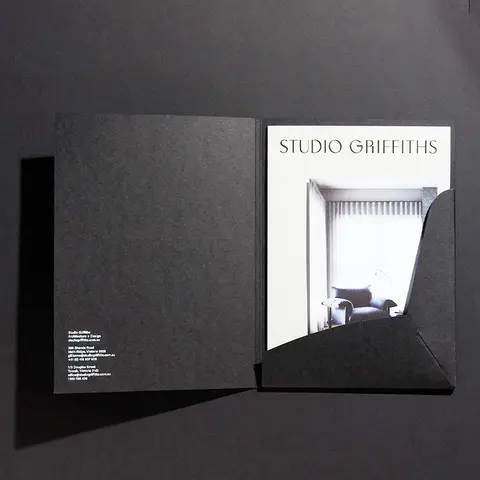
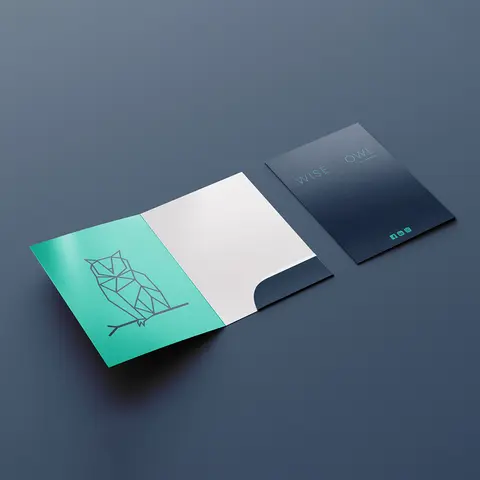
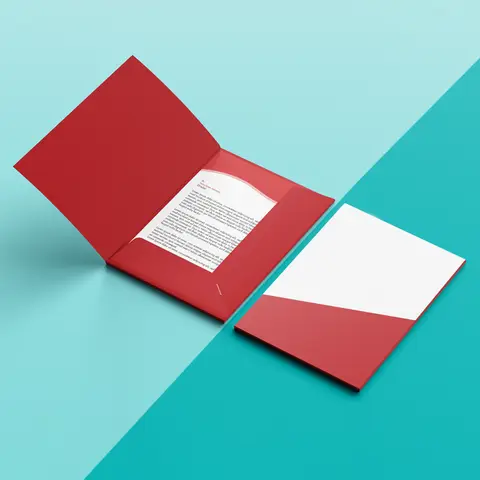
6 folders

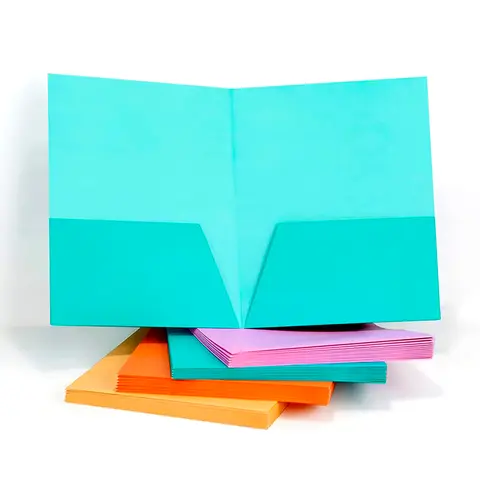
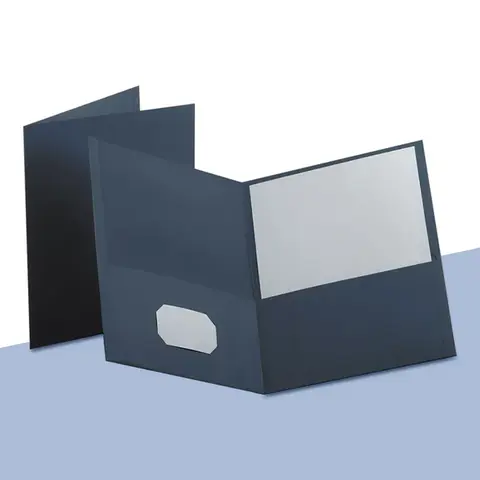
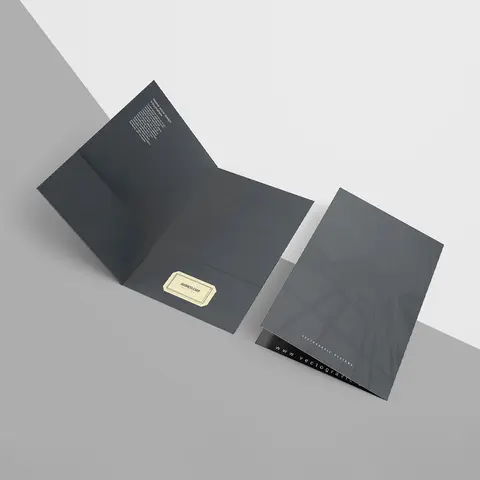
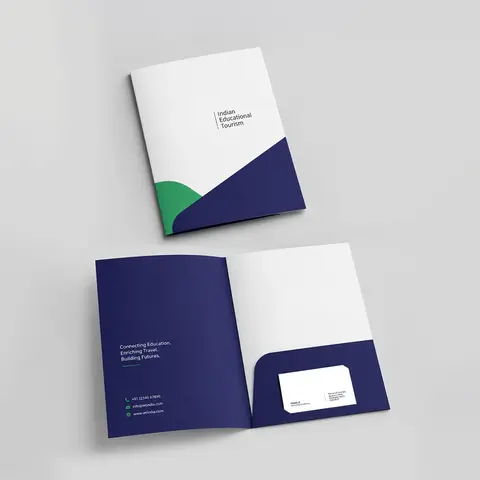
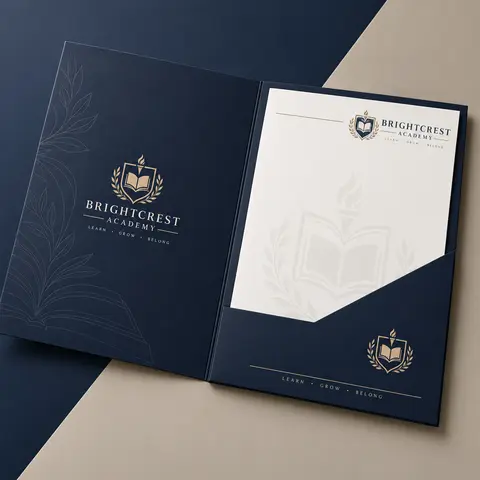
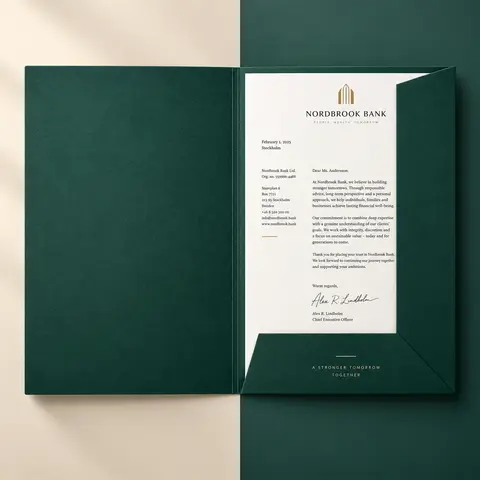
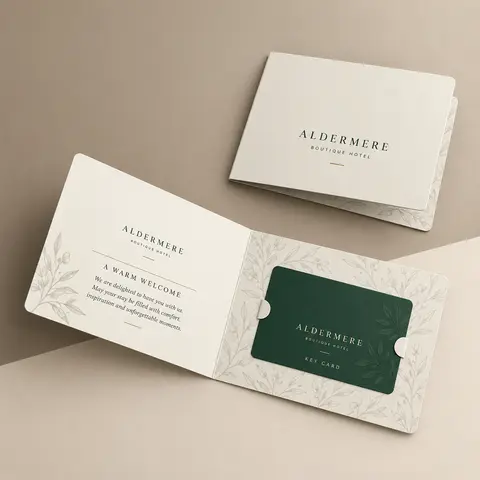
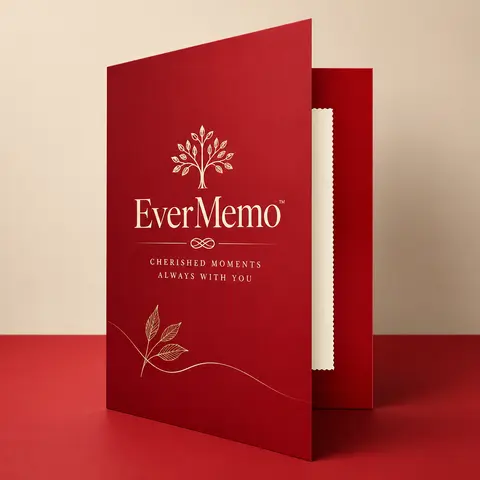
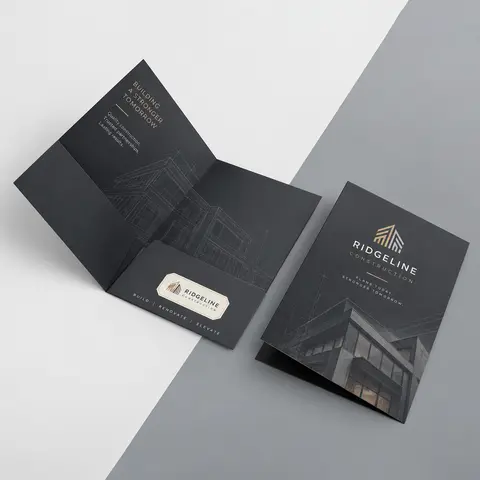
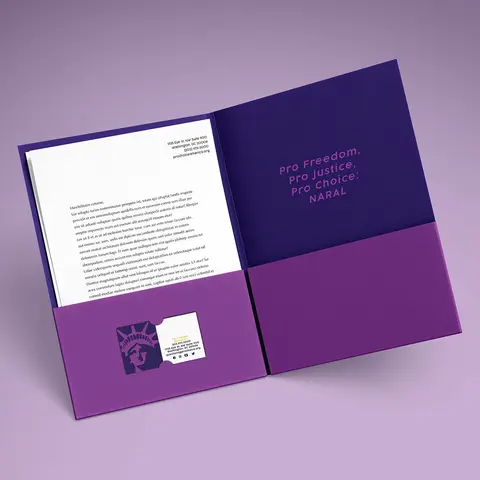
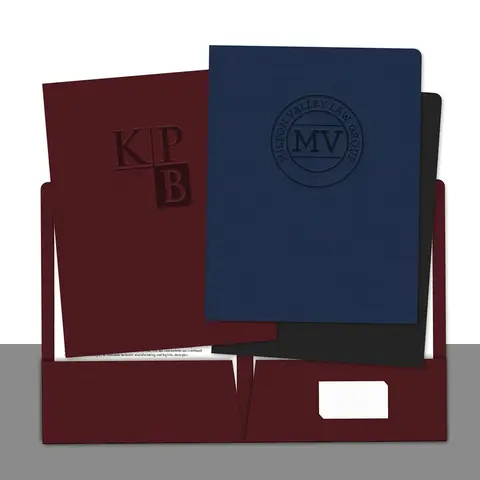
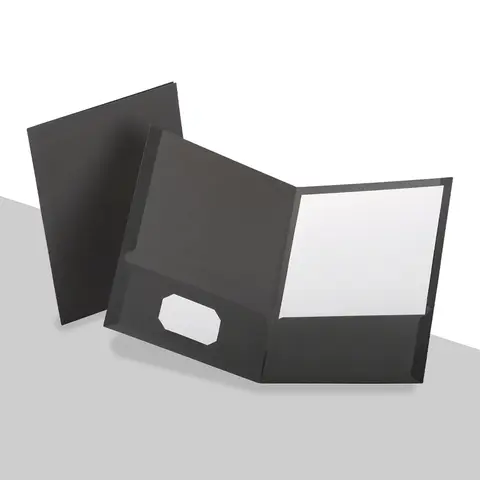
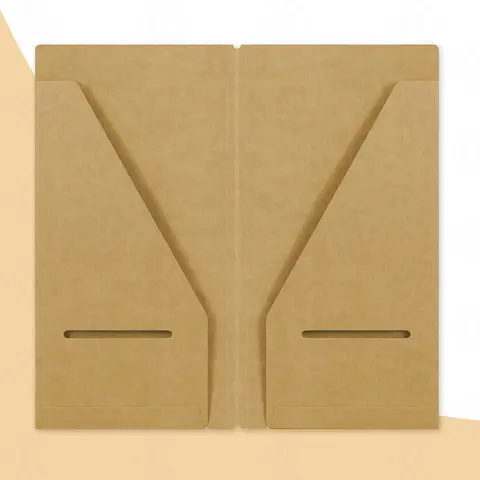
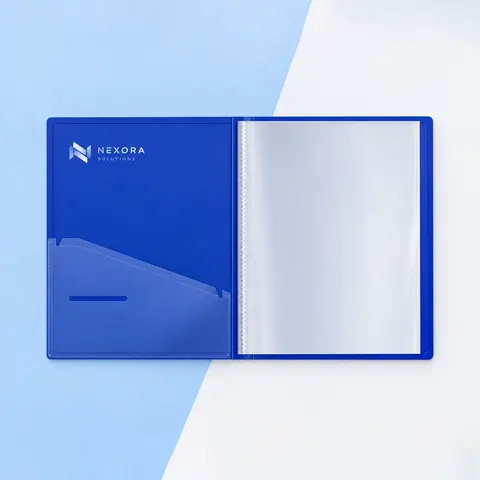
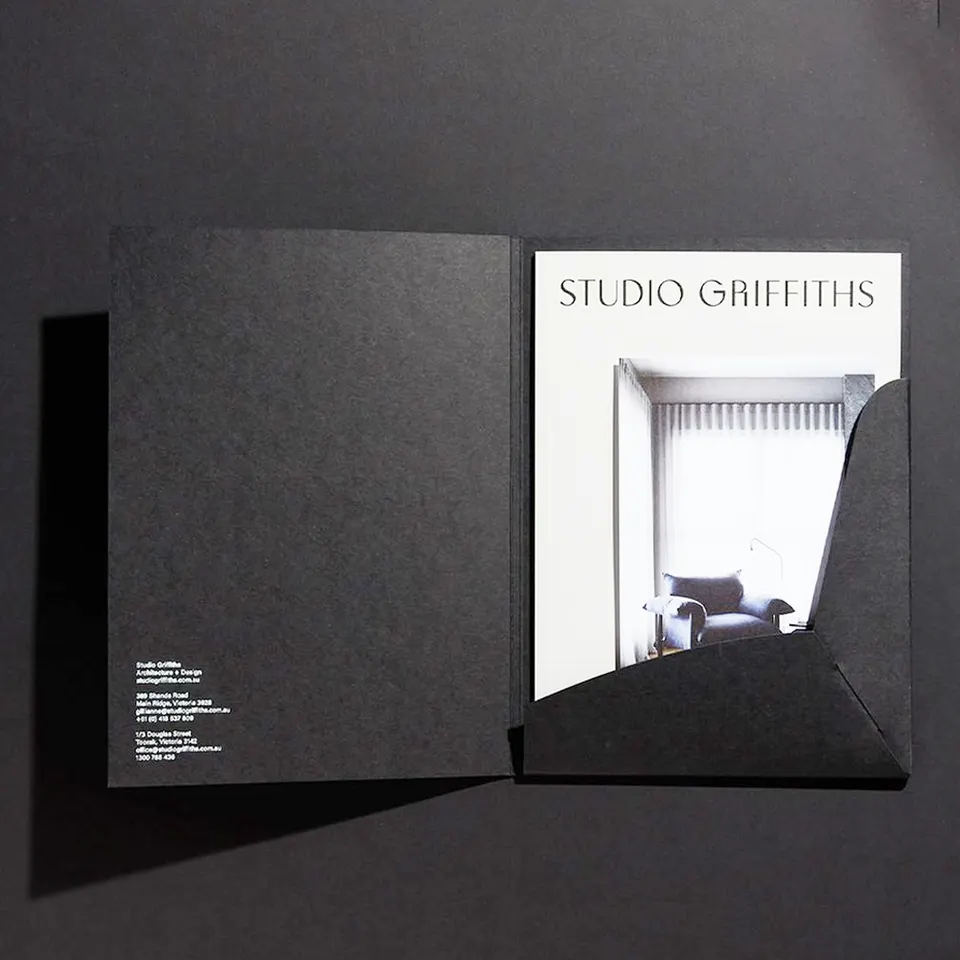
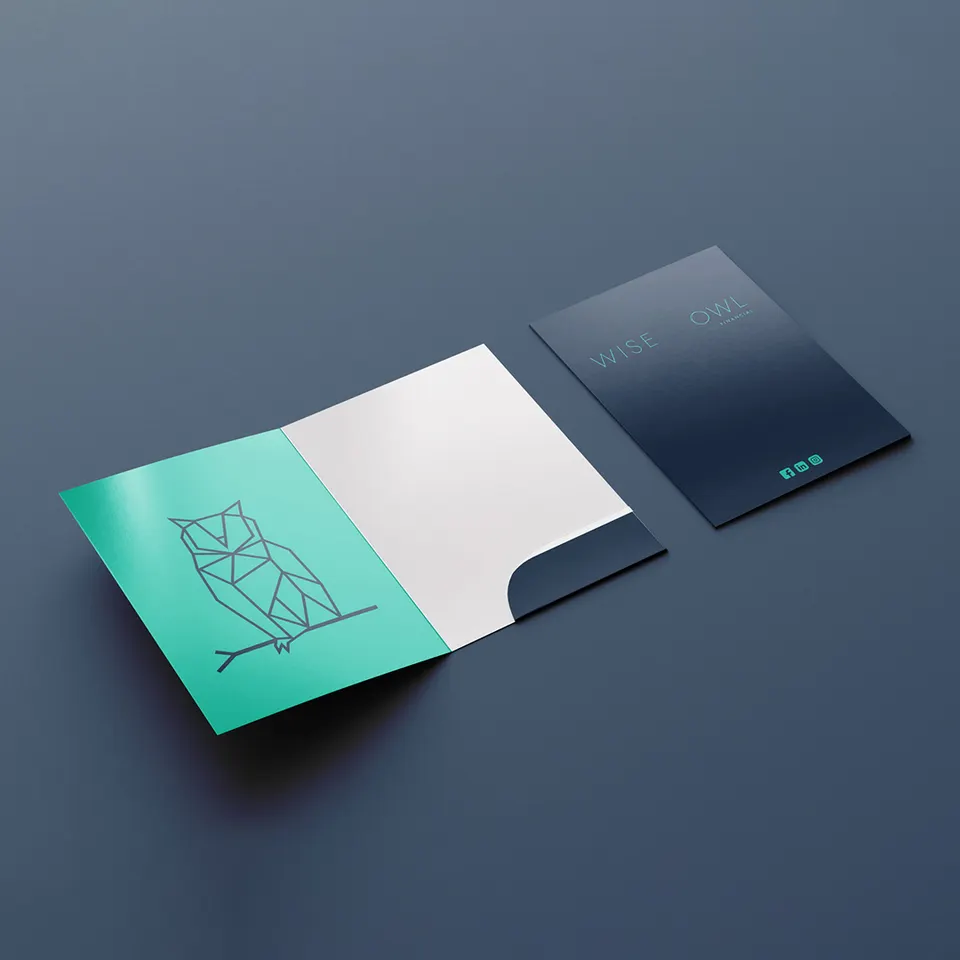
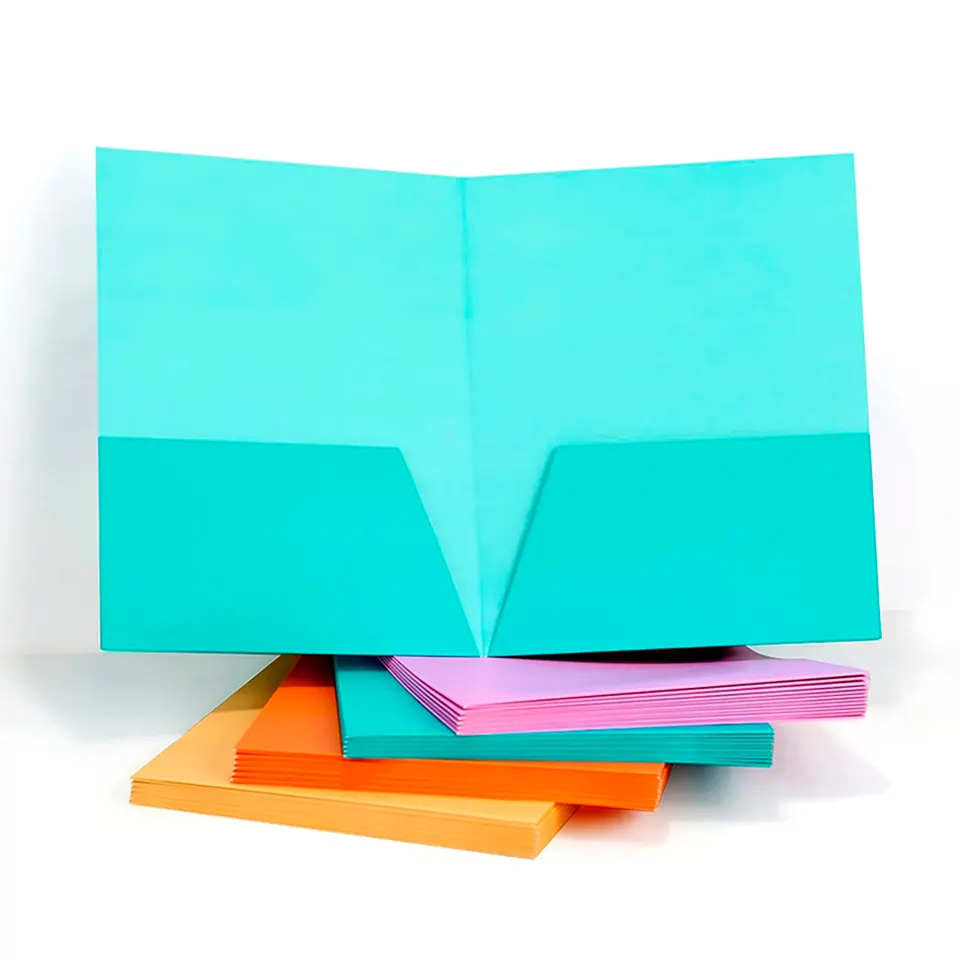
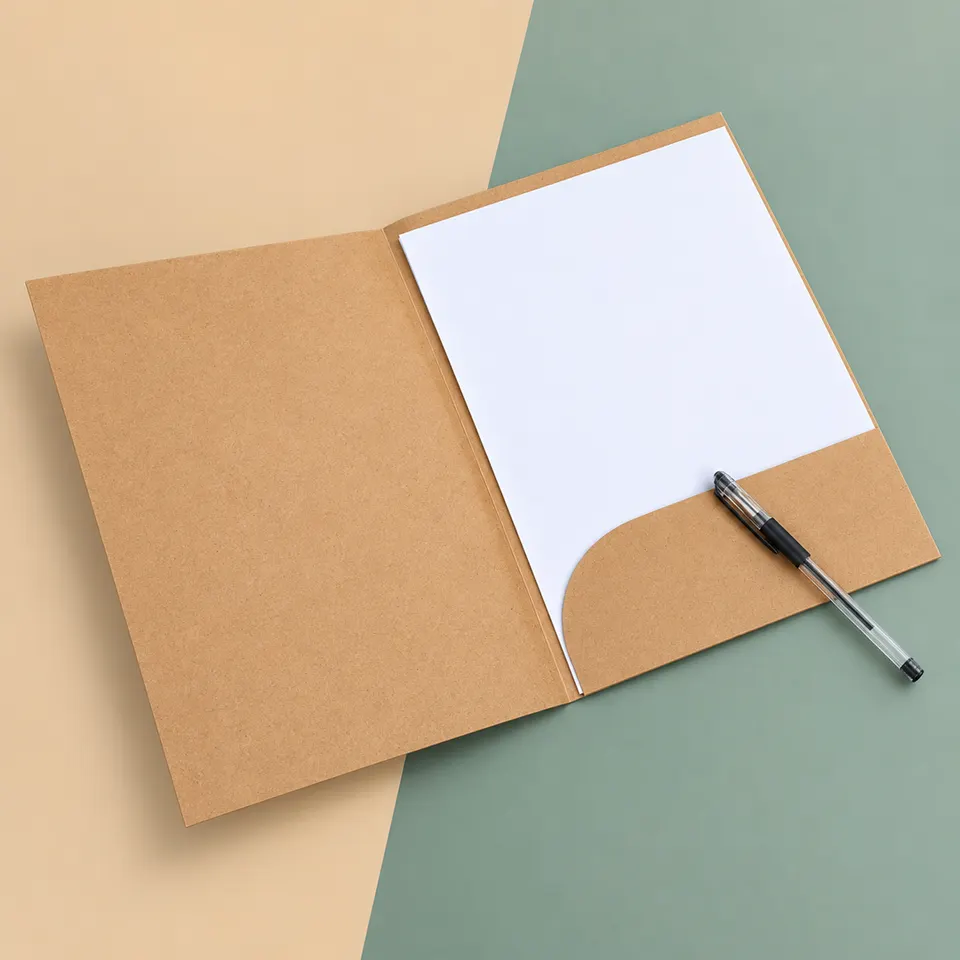
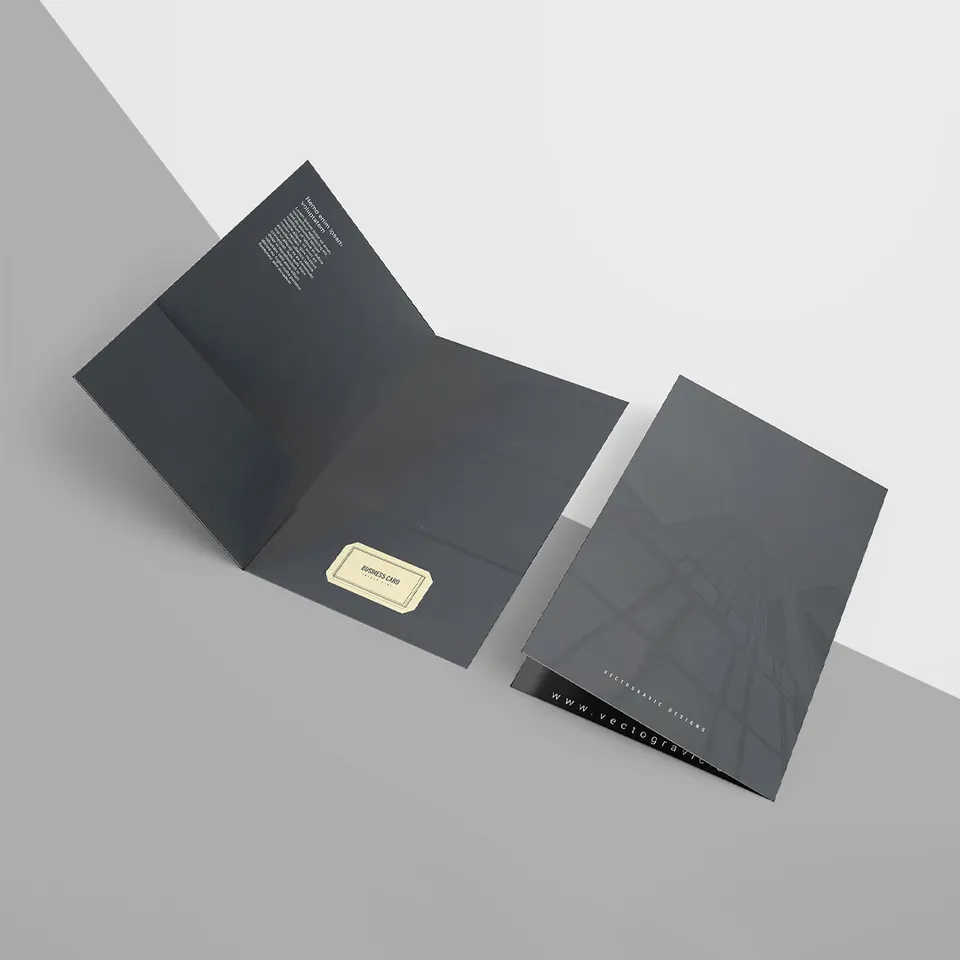
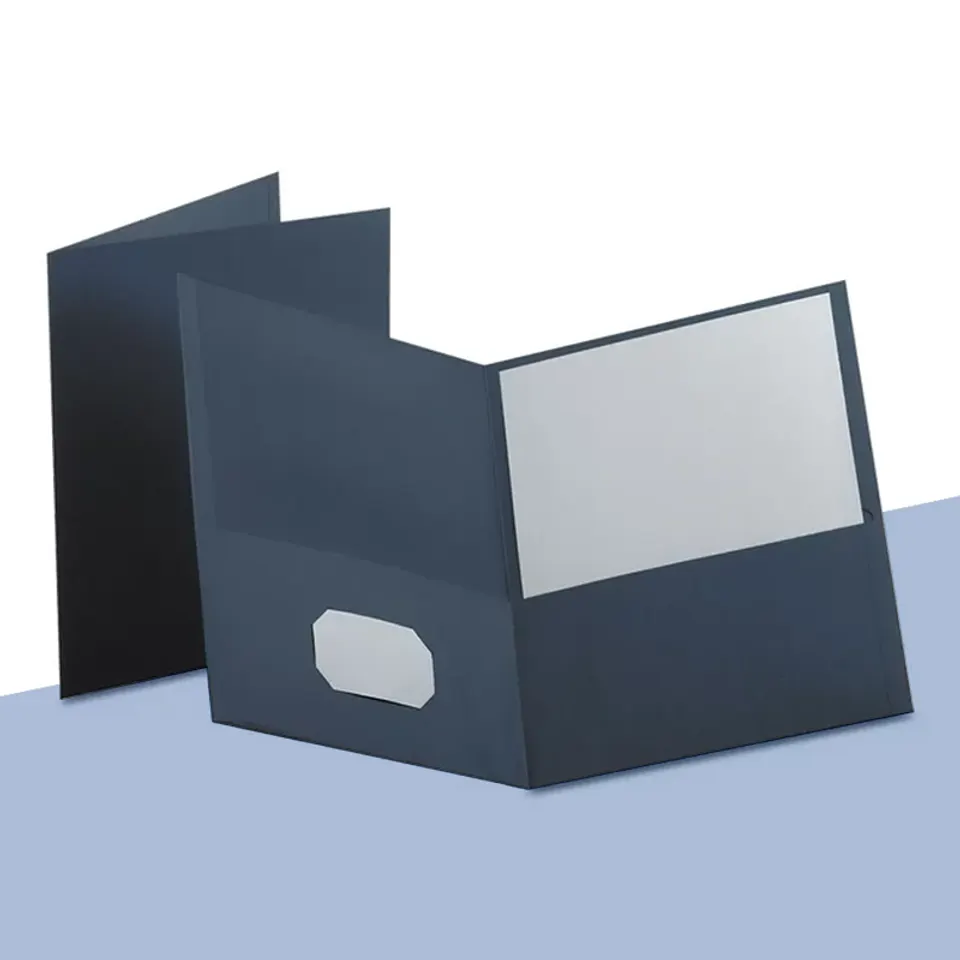
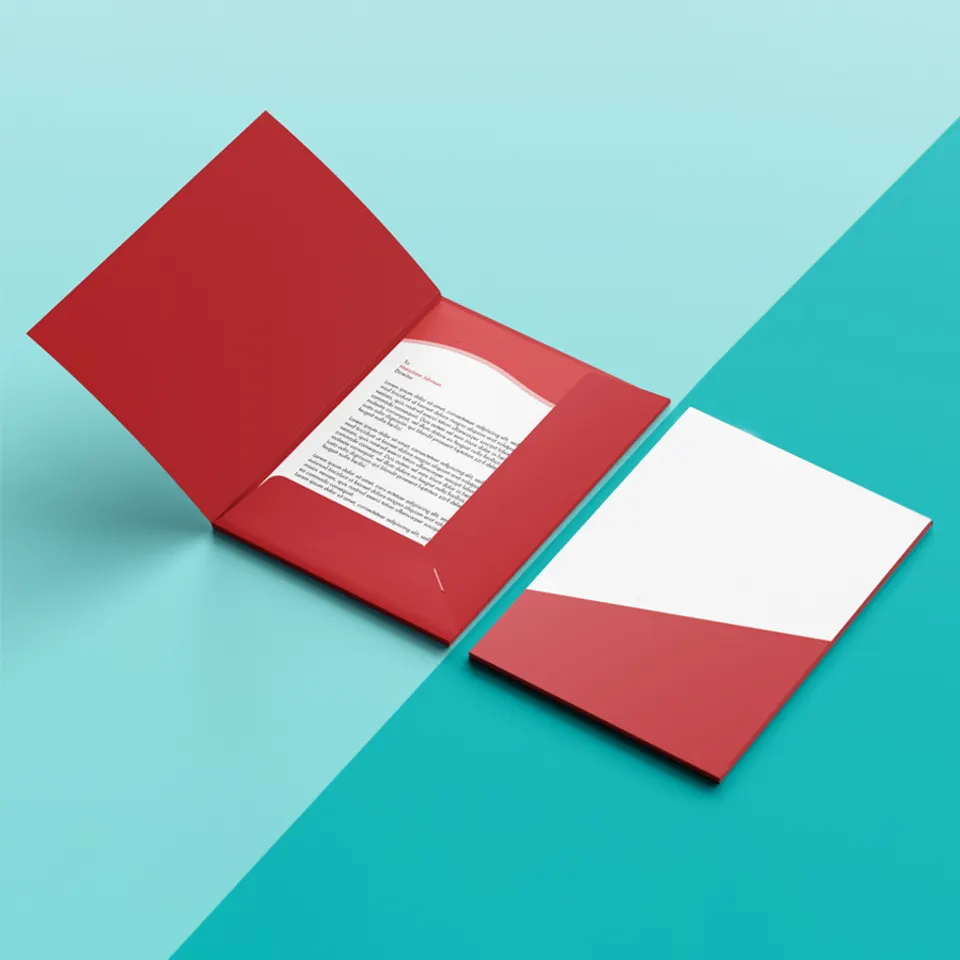
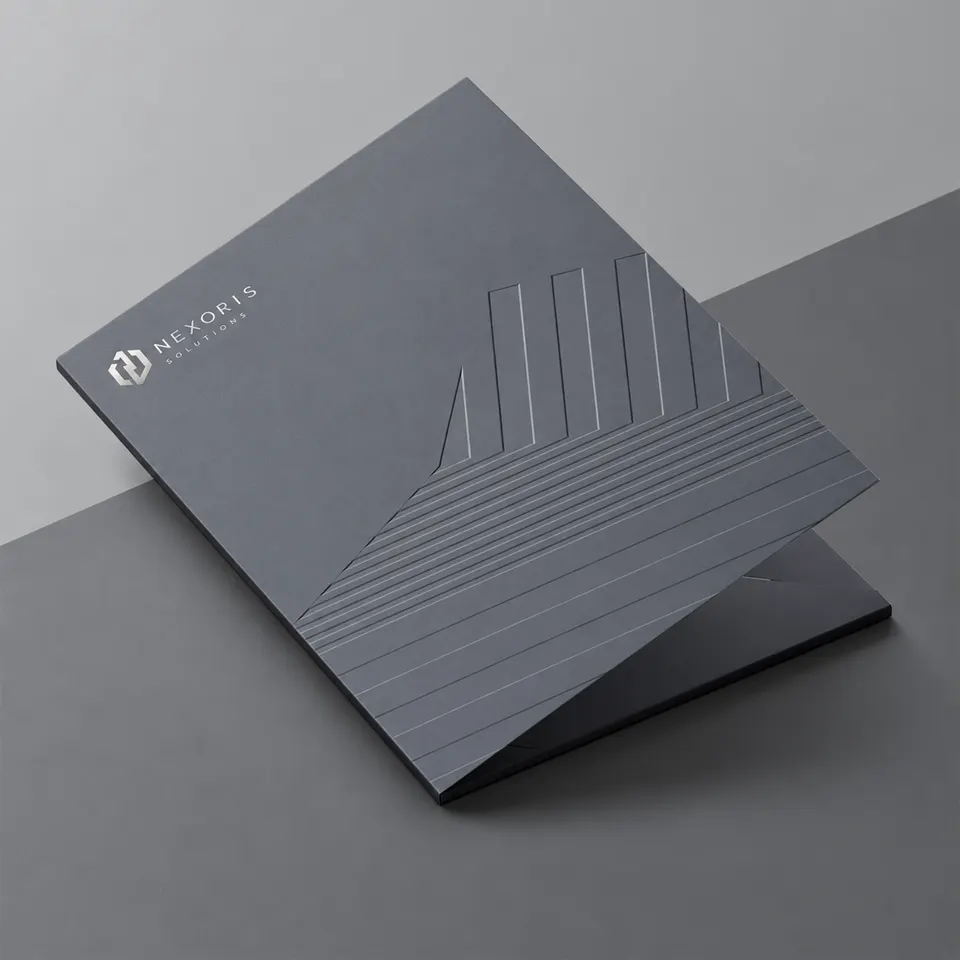
Most handovers are loose paper: a proposal, a price sheet, a brochure and a business card. That is why pockets are the default. The classic build puts one 4 inch pocket on each inside panel of a 9 x 12 cover, with a card slit on the right pocket, and it carries a letter-size set without strain.

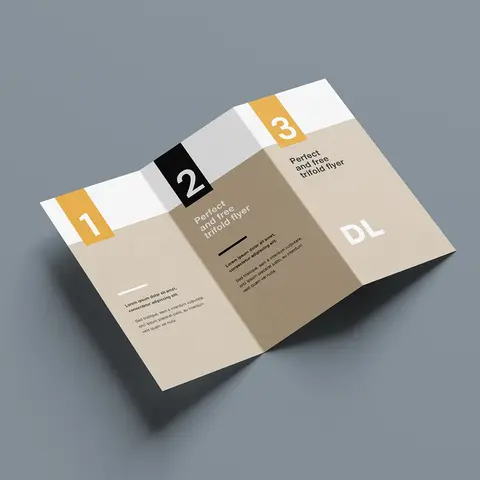
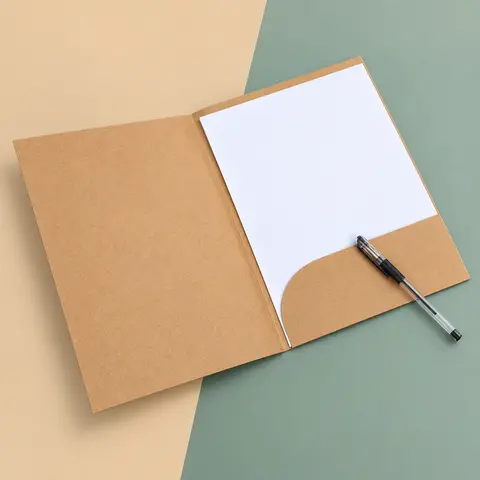
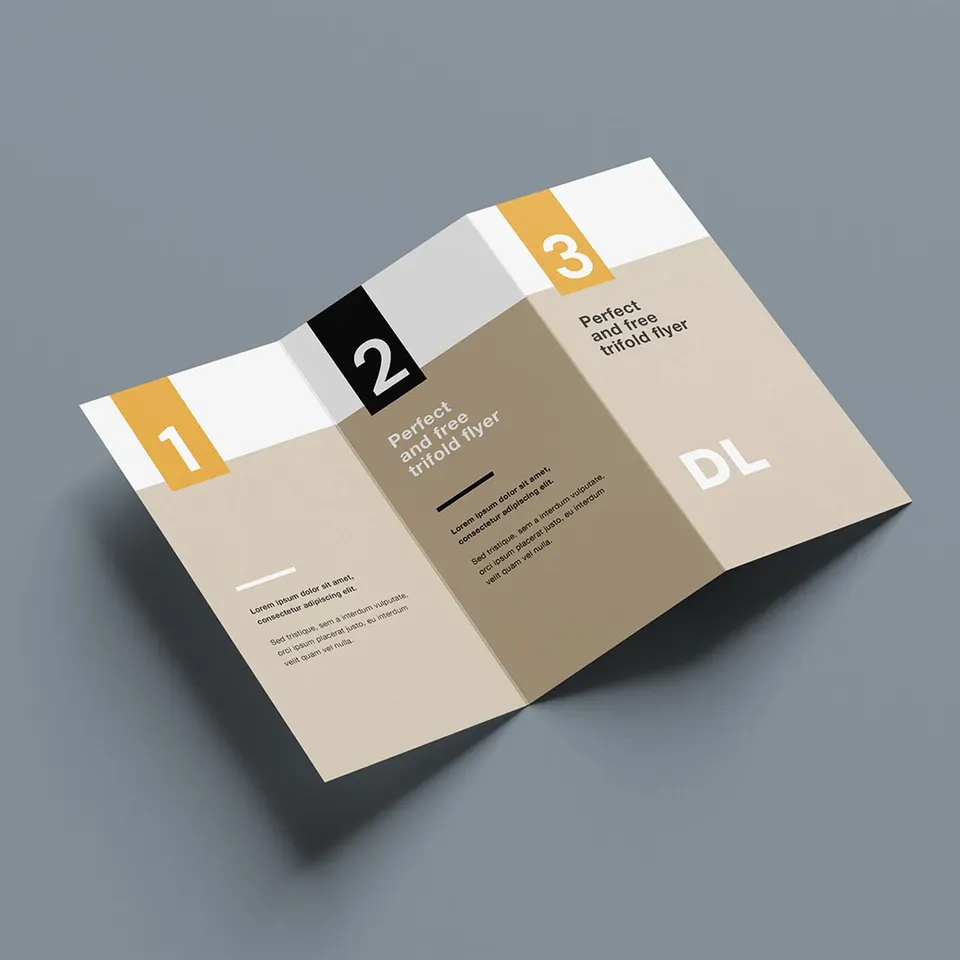
Change the pocket count when the paperwork changes. A single full-width pocket leaves the left panel free for a welcome note or a short list of services, and the closed folder still slips into a 10 x 13 inch envelope. Four pockets, stacked two per panel, let you sort a heavy set into labeled groups. A tri-fold adds a third panel and a third pocket and opens to about 27 inches wide, which suits programs that fall naturally into three parts.

Pocket shape is a style choice too. Straight edges look formal, curved or angled edges show more of the inside print, and a reinforced edge helps a folder that gets opened all day. If the pages are 14 inches long, compare these builds with our legal size presentation folders before you settle on 9 x 12.

Fastener Folders That Keep Pages in Order

3 folders

When page order matters, loose pockets are a risk. A fastener holds three-hole punched pages in sequence, so a reader can work through a manual, a contract or a course pack without the sheets drifting out of place.

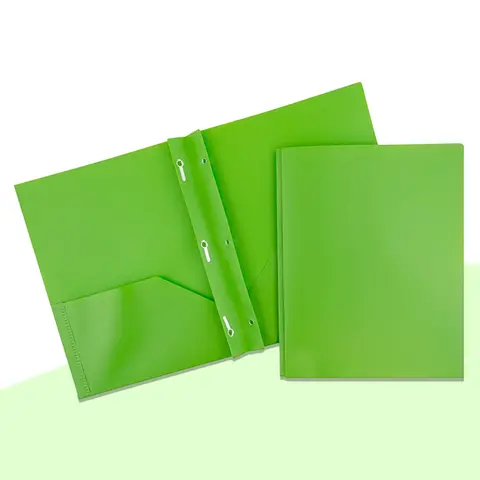
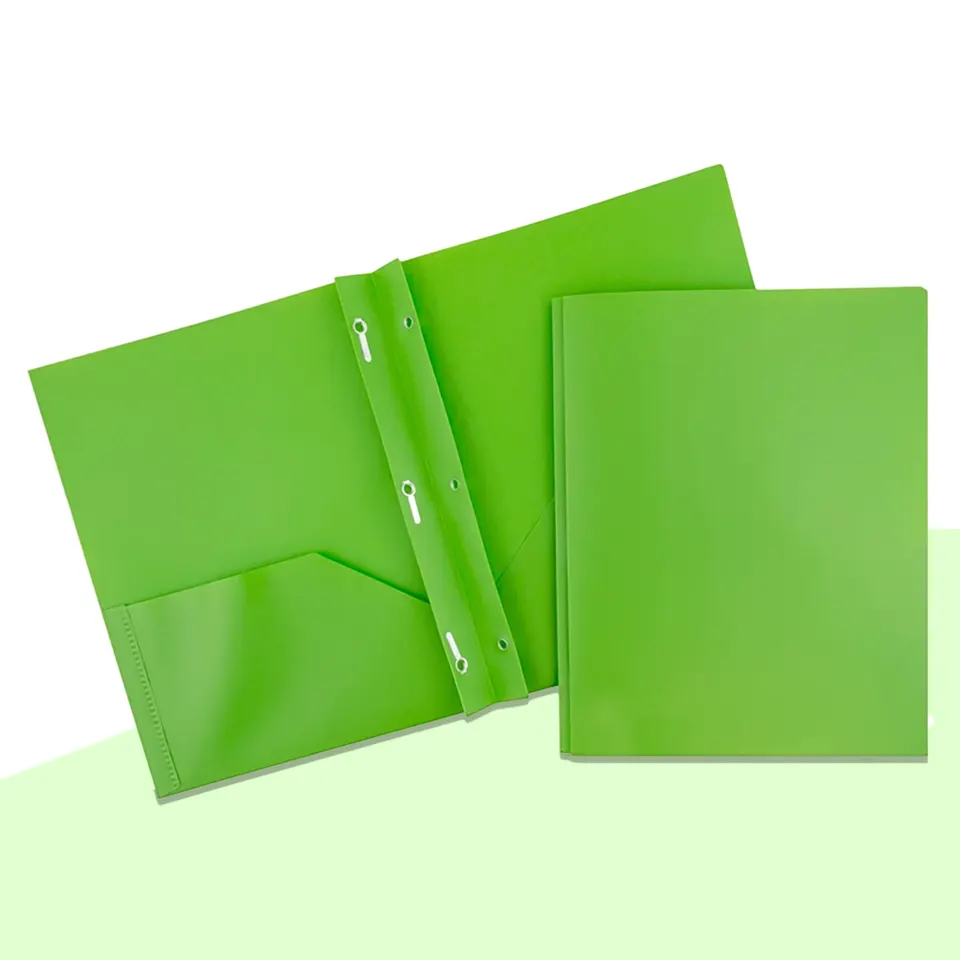
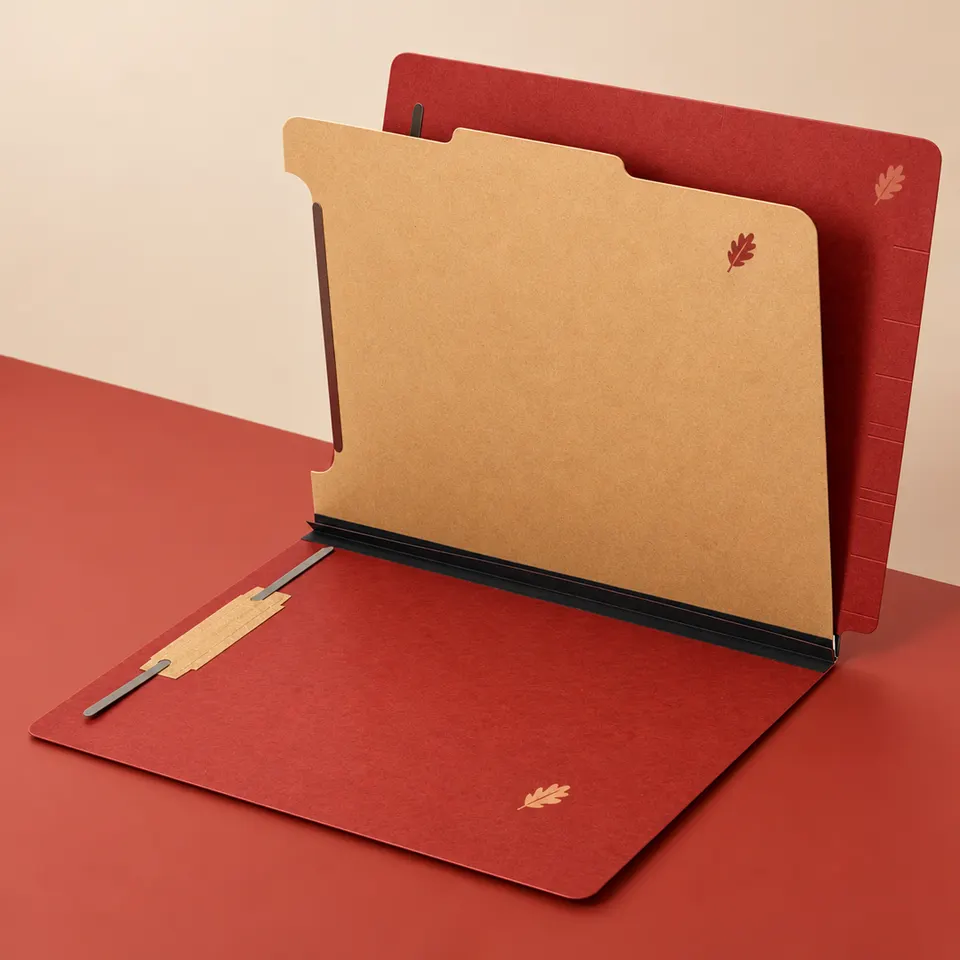
Brads are three metal fasteners set through the center fold, and their legs fold flat behind the pages. A 3 prong strip sits on the spine or back panel with 4.25 inch hole spacing, and pages slide on and off more easily, which helps when you add updates during the year. Both builds usually keep two inside pockets for the loose sheets that come with the bound ones.

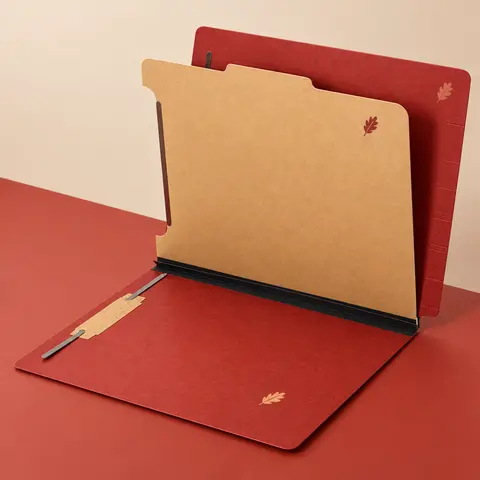
Classification folders go a step further. One or two divider partitions, each with its own fasteners, split one file into four or six sections, and an expanding spine lets the folder grow with the file. The same fasteners also come in poly for folders that get carried every day, and our custom school folders for students show how that build holds up over a full year.

Filing and Storage Folders

3 folders

Some folders never leave the office. File folders, hanging folders and expanding files are built for drawers, carts and shelves, where a printed tab or logo helps staff find a record quickly.

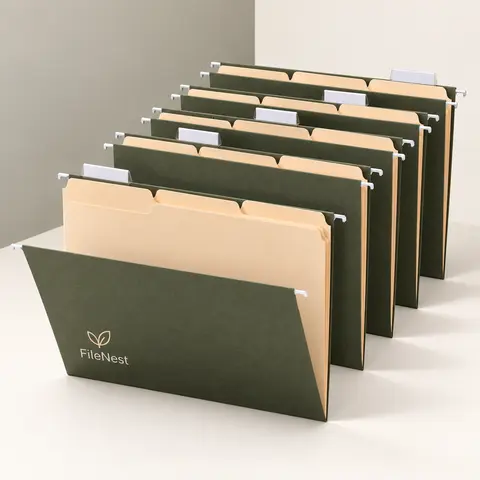
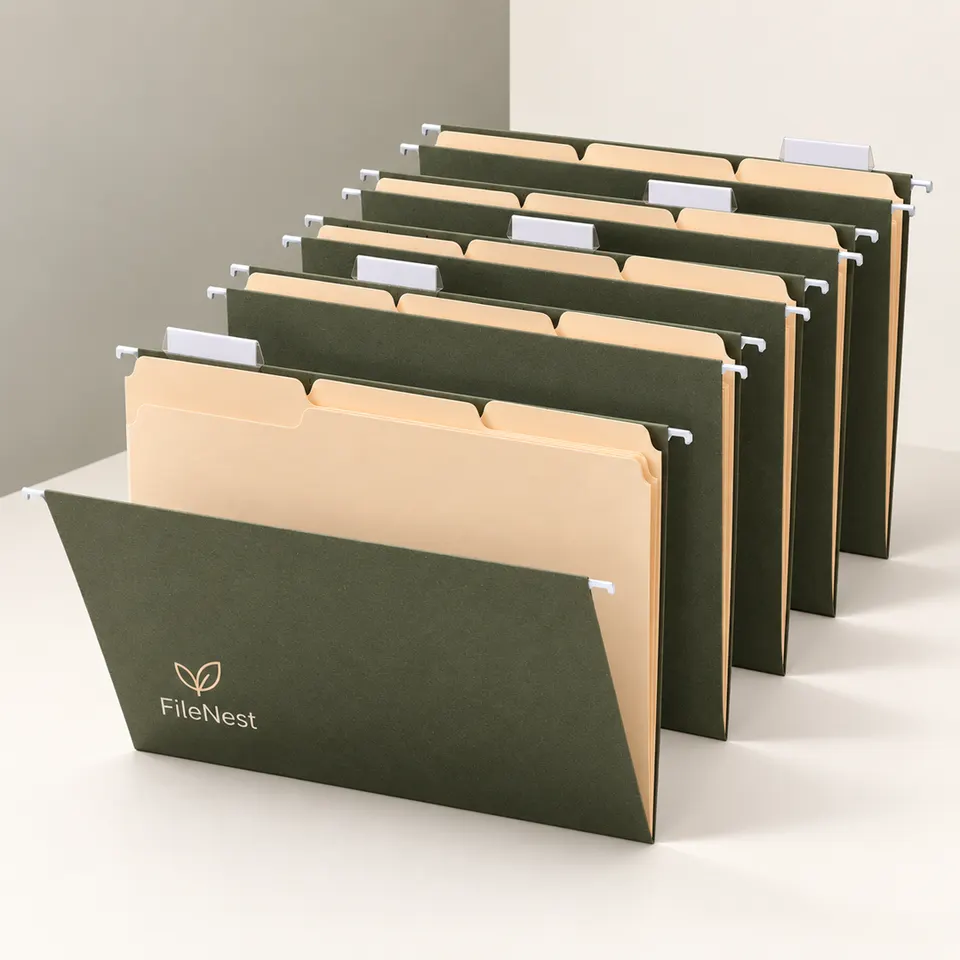
Tab file folders come in letter and legal widths with straight, 1/3 or 1/5 cut tabs, on manila-tone stock, kraft or 14 pt C2S, and they can be made as closed-side file jackets. Hanging file folders add hooks that ride the drawer rails, a flat V bottom or a squared box bottom, and slots for clip-on tabs with printed inserts. Both print well in one or two colors, which keeps a large run simple.

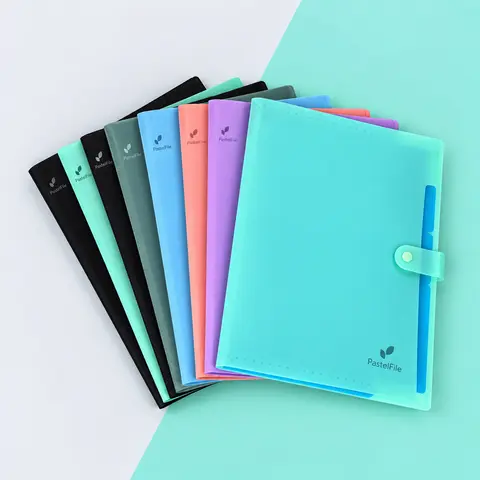
Expandable folders are the answer when a file keeps growing. Pleated sides open as pages go in, and accordion versions hold several numbered or titled sections behind a flap with an elastic band, magnet or ribbon. Clinics often pair them with color-coded covers by department, a habit covered on our custom medical folders page.

Special Openings and Shaped Folders

3 folders

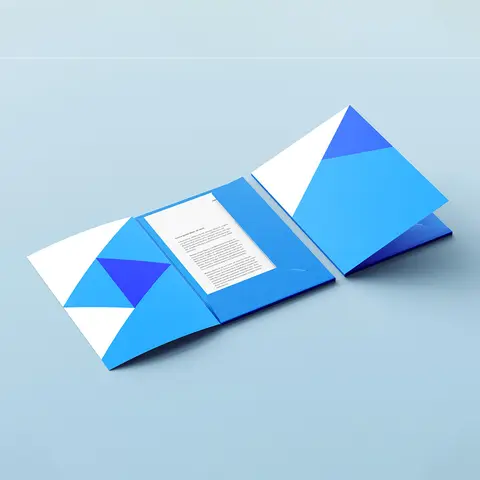
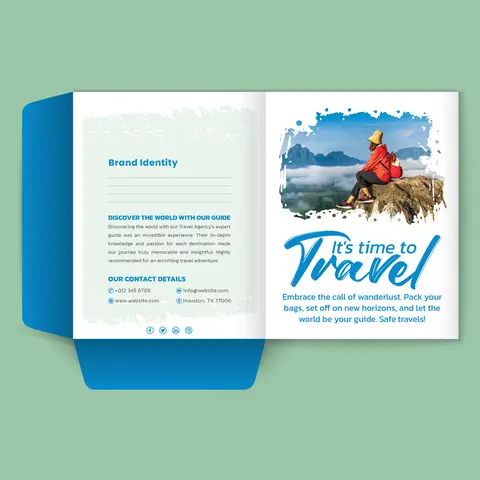
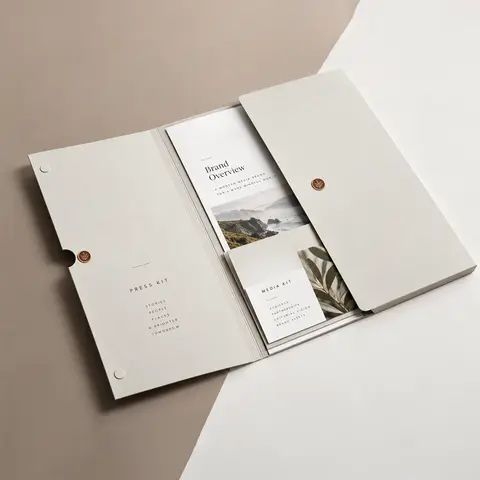
The way a folder opens is the first thing a client notices. A gatefold has two side flaps that meet at the center like a pair of doors, so the contents are revealed rather than simply shown. Hidden magnets, a ribbon tie or an elastic band keep the flaps shut, and pockets can sit on the flaps, the center panel or both.

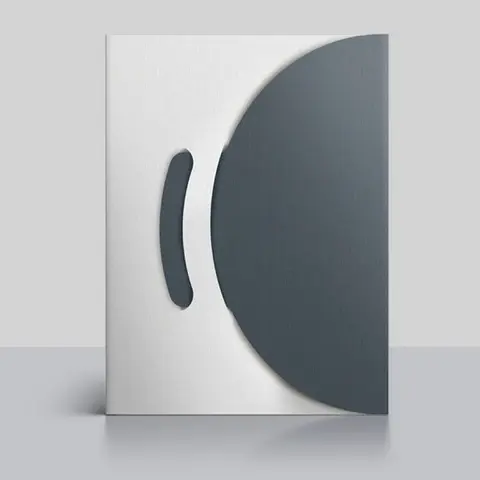
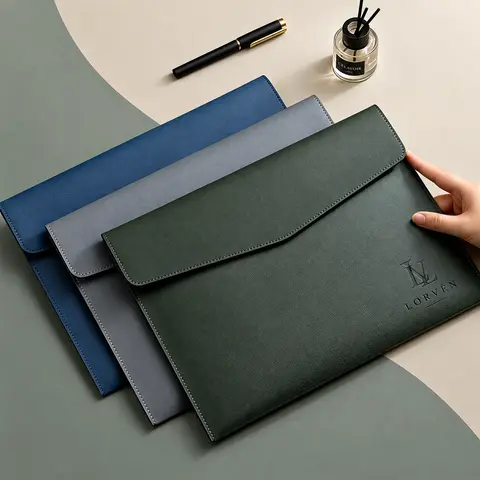
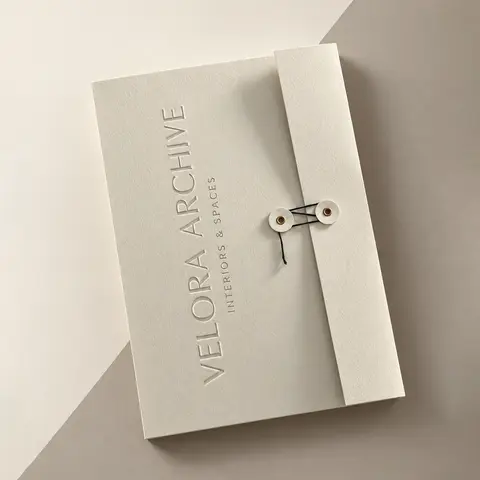
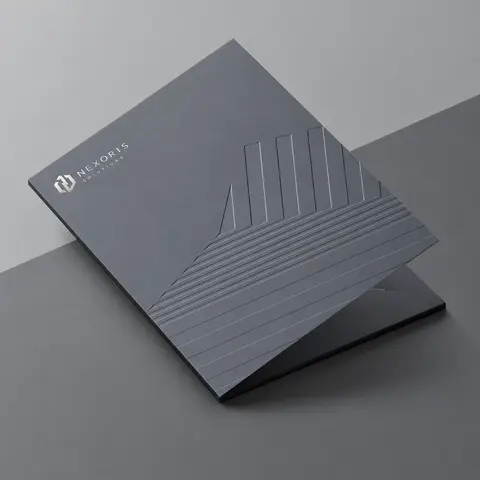
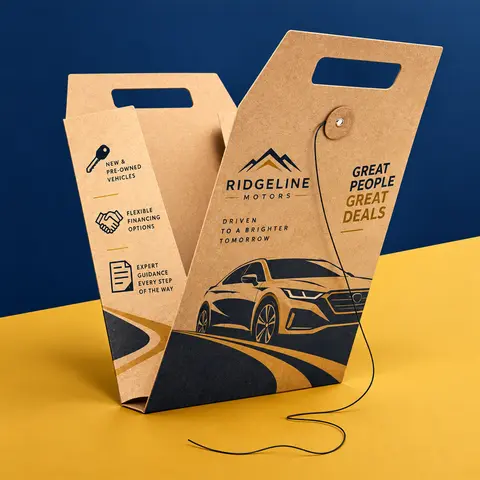
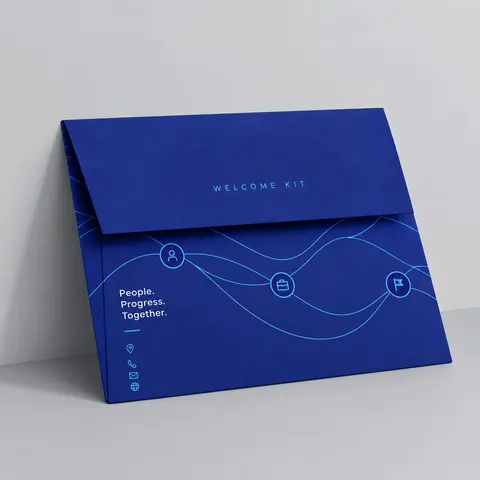
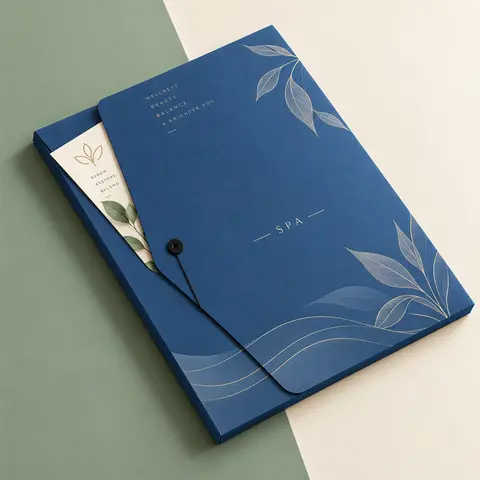
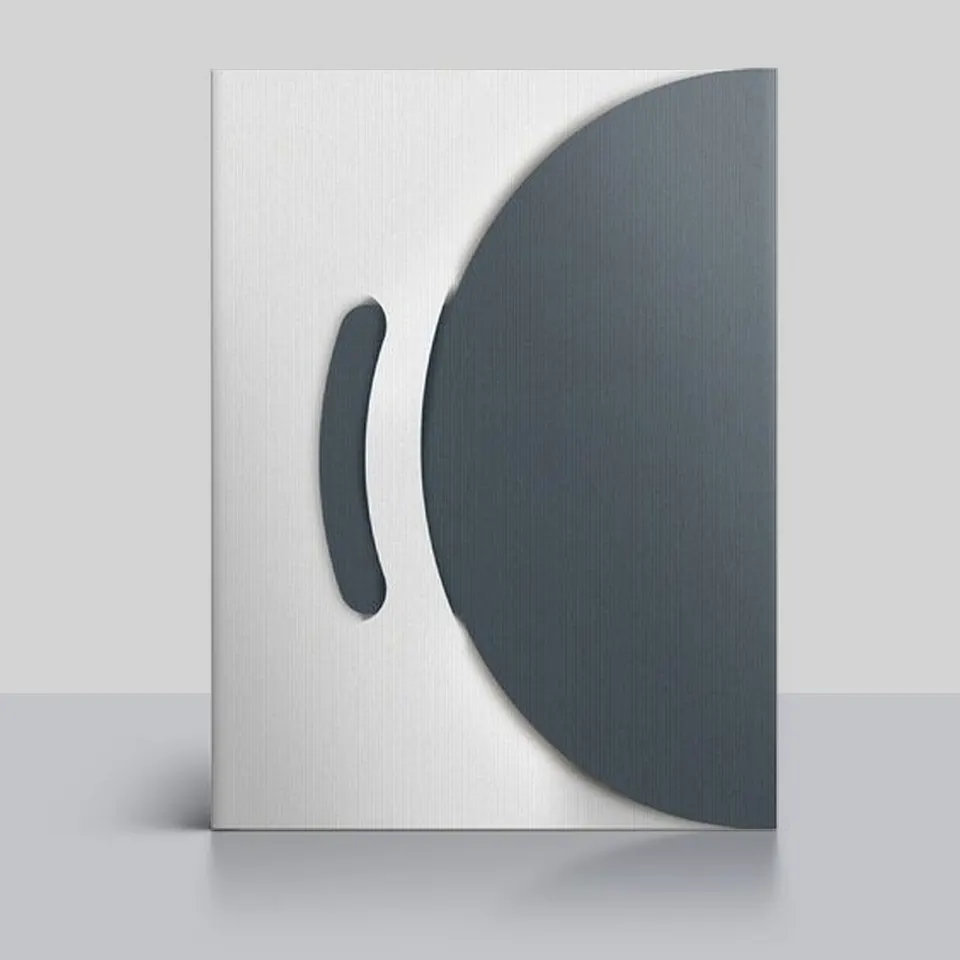
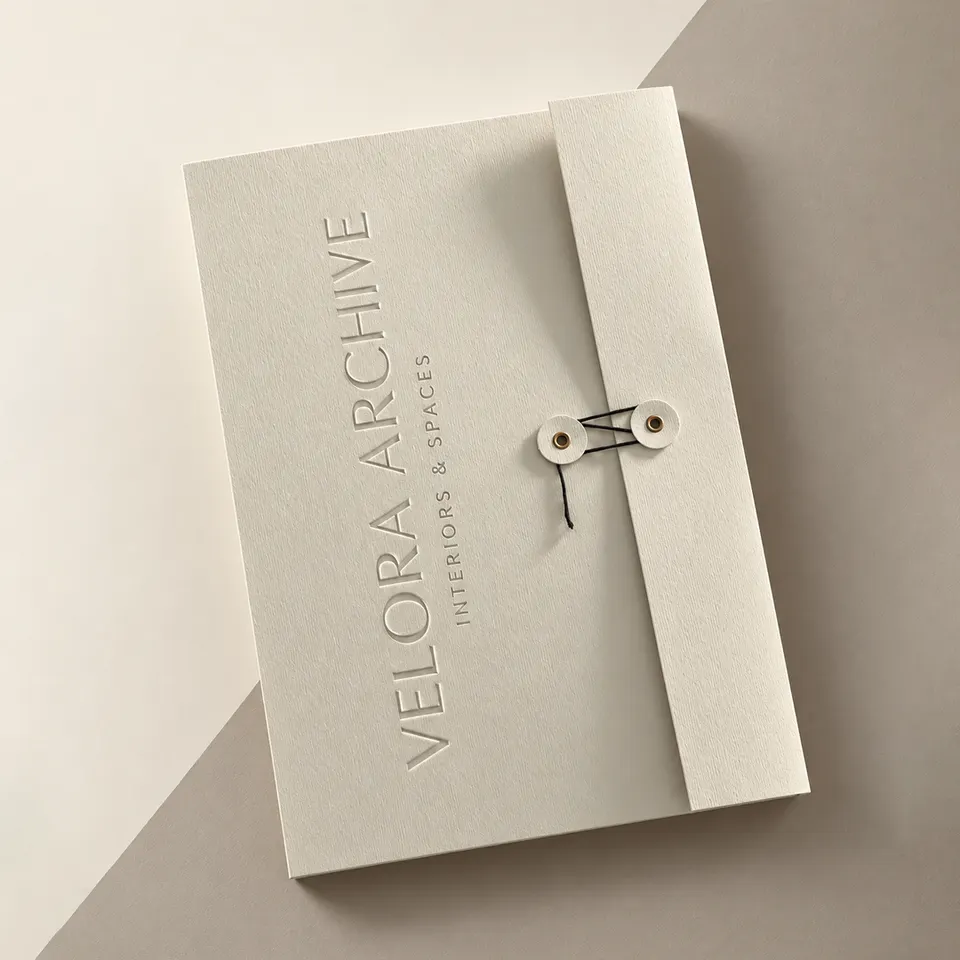
Die-cut folders swap the straight pocket for a shape you choose: a curve, a wave, a step, a window in the cover, or an outline drawn from your logo. A new die is built from your die-line, so plan the shape early and keep thin points away from the fold. Envelope folders wrap the papers on every side and close with a string-tie, a button and elastic loop, a tuck flap or a magnet, with an optional gusset up to 1 inch.

These builds take more file preparation than a standard pocket folder. Our artwork guidelines for printed folders explain how to set up die-lines, bleed and fold margins before you send anything.

Hardcover, Writing and Binder Styles

5 folders

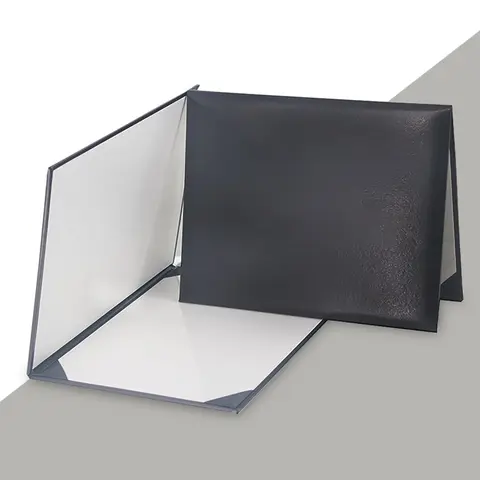
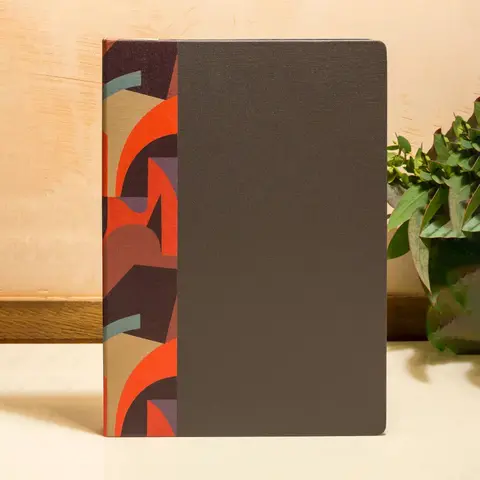
Choose a hard build when the folder should last for years or work as a tool. Rigid board folders are made like a book cover: dense board wrapped in printed paper or linen cloth, with corner slits, a photo mount or pockets inside. Magnetic closure folders use similar board with flat magnets hidden in the flap, so the cover snaps shut without a clasp.

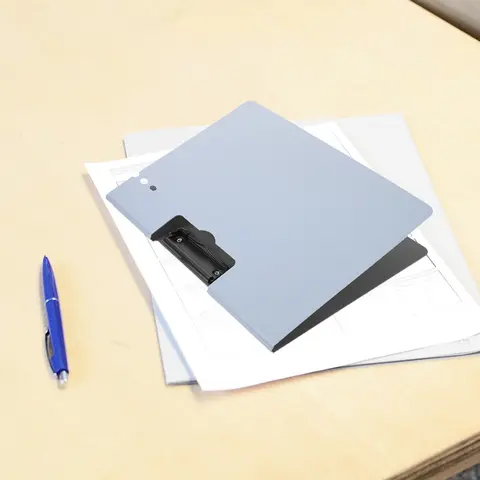
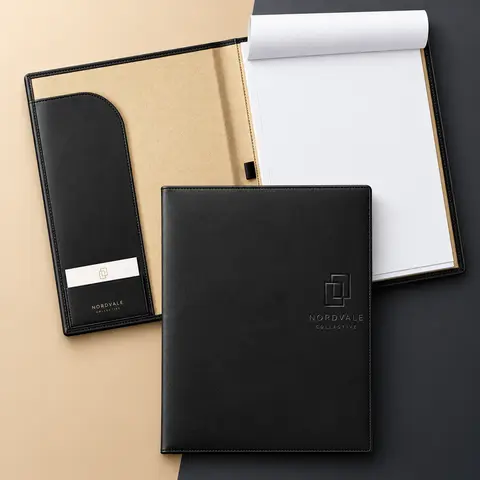
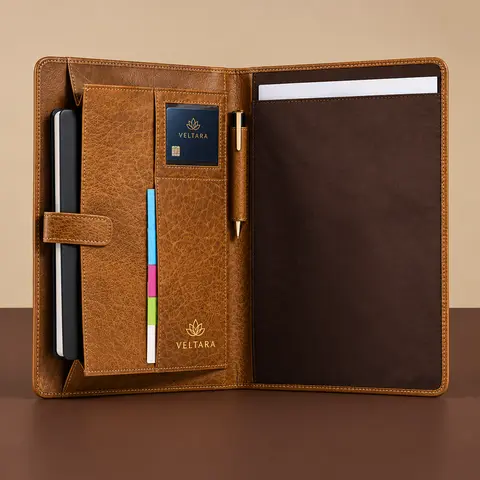
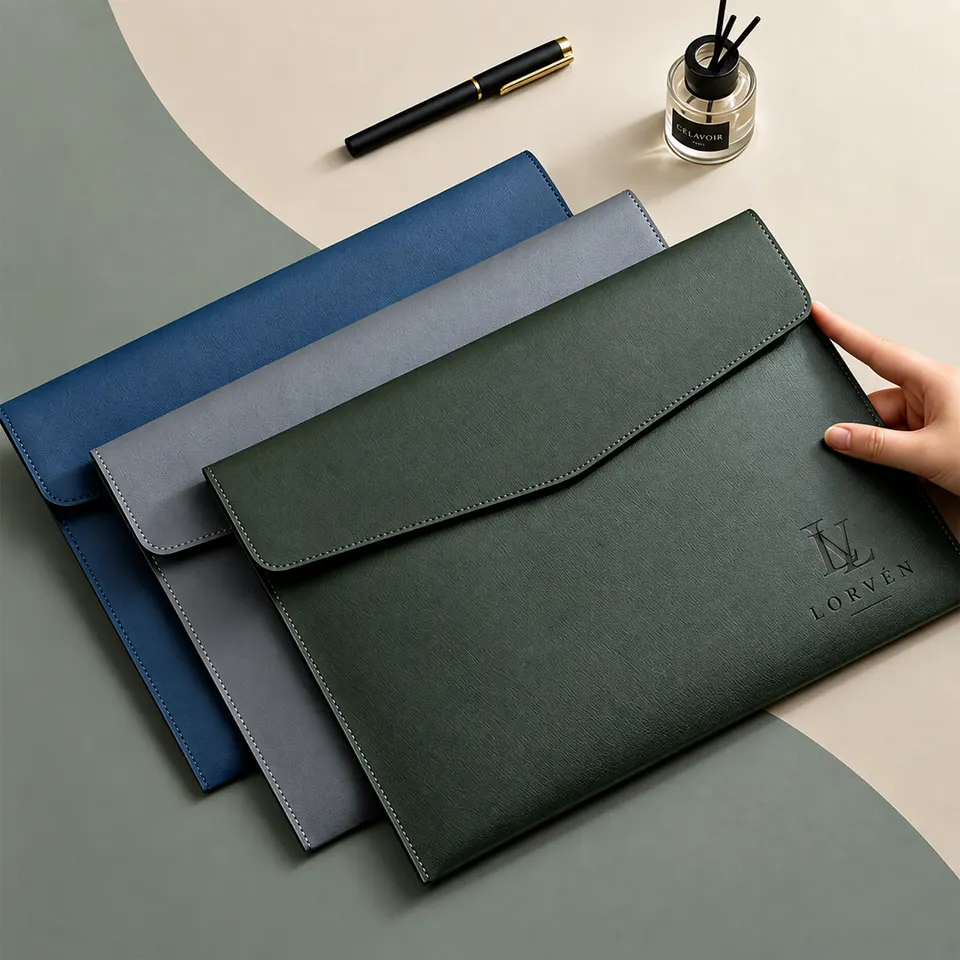
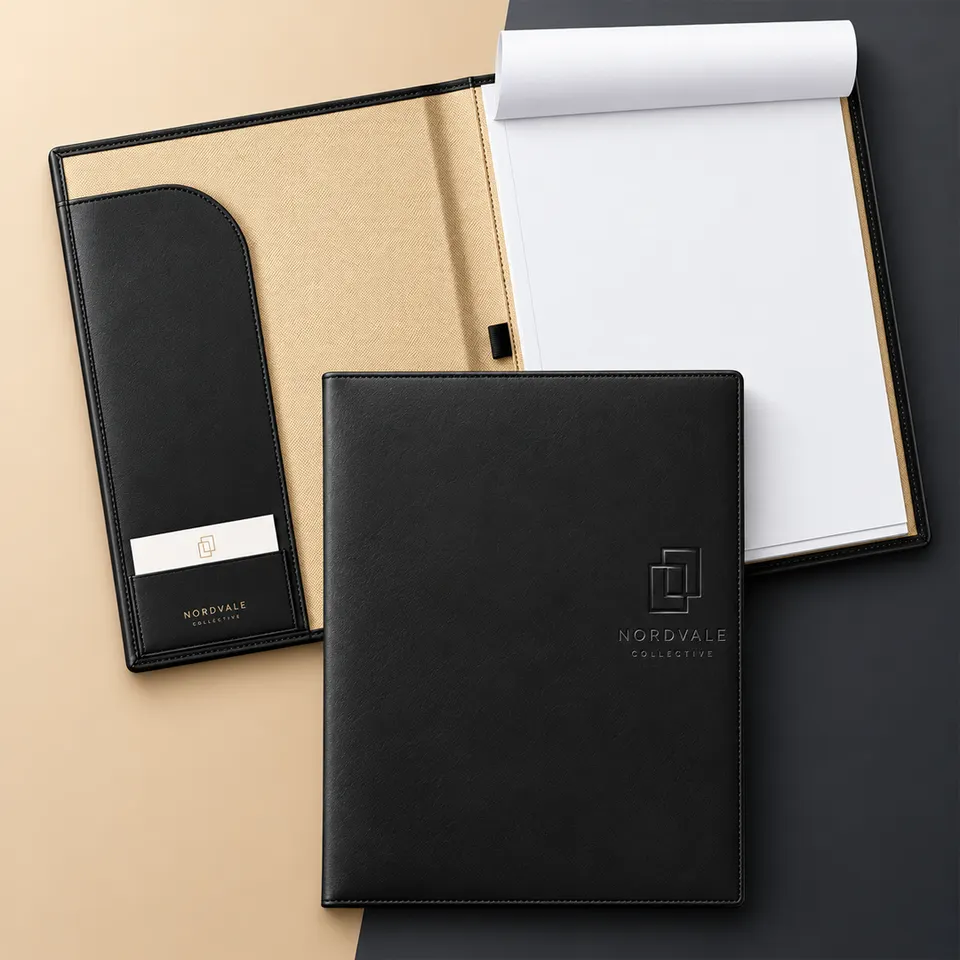
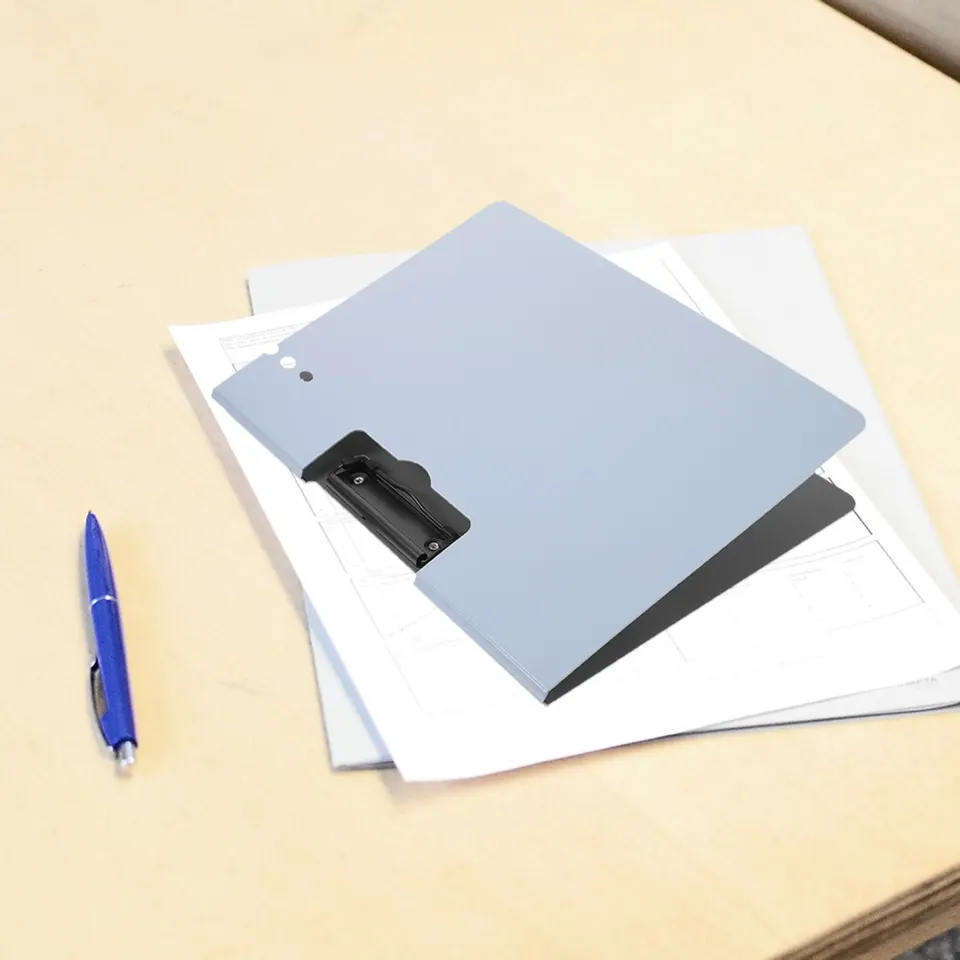
Padfolios and clipboard folders are built for writing. A padfolio holds a letter pad on one side, a document pocket on the other and a pen loop in between, in printed board, leatherette or genuine leather. A clipboard folder puts a metal clip on a rigid back panel so forms can be filled in standing up, and the cover then closes over the finished pages.

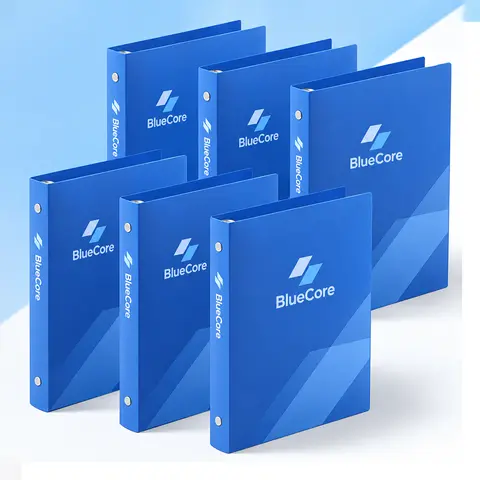
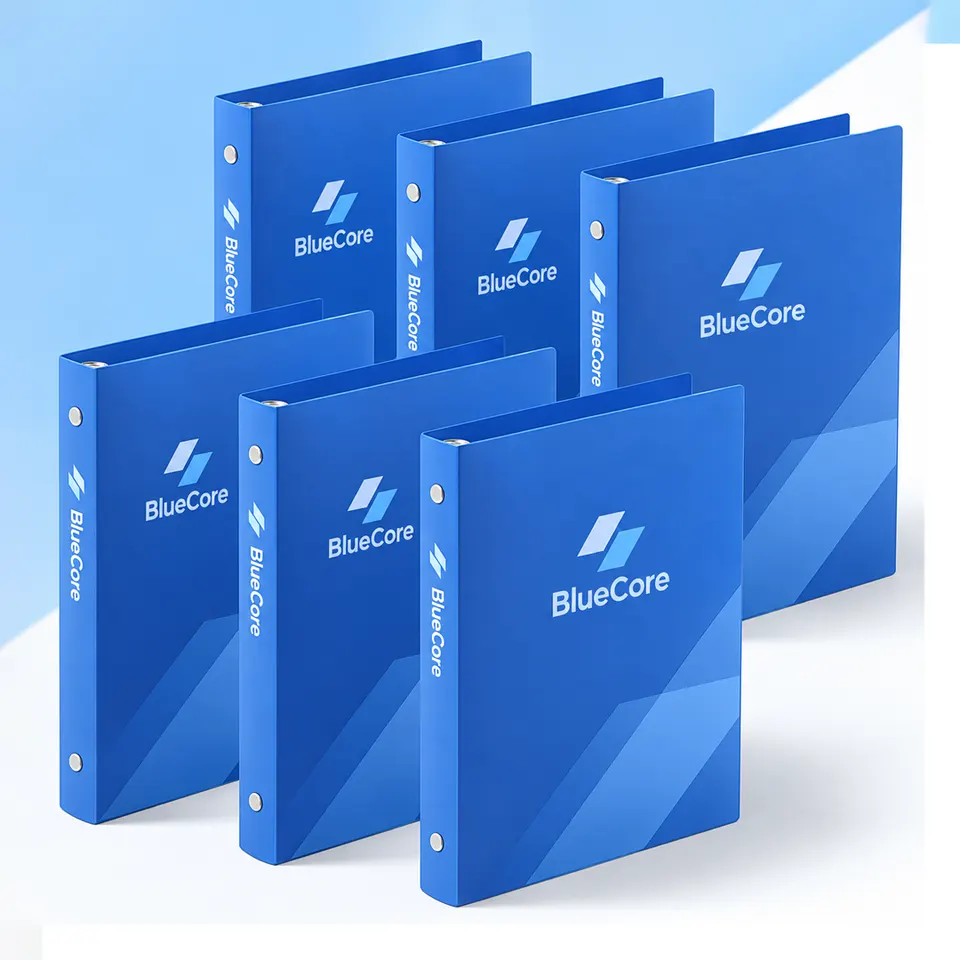
Ring binders suit the largest sets and anything that changes often. Round rings sit on the spine, D-rings mounted on the back cover hold more paper flat, and arch lever mechanisms take the thickest stacks. A printed spine lets a shelf of binders be read at a glance. If you want the hardcover feel in real hide, look at our custom leather portfolio folders.

Choosing a Style by What Goes Inside

Loose handouts want pockets. Pages that must stay in order want a fastener, such as brads or a 3 prong strip. Thick sets want a capacity pocket or an expanding gusset so the folder still closes flat.

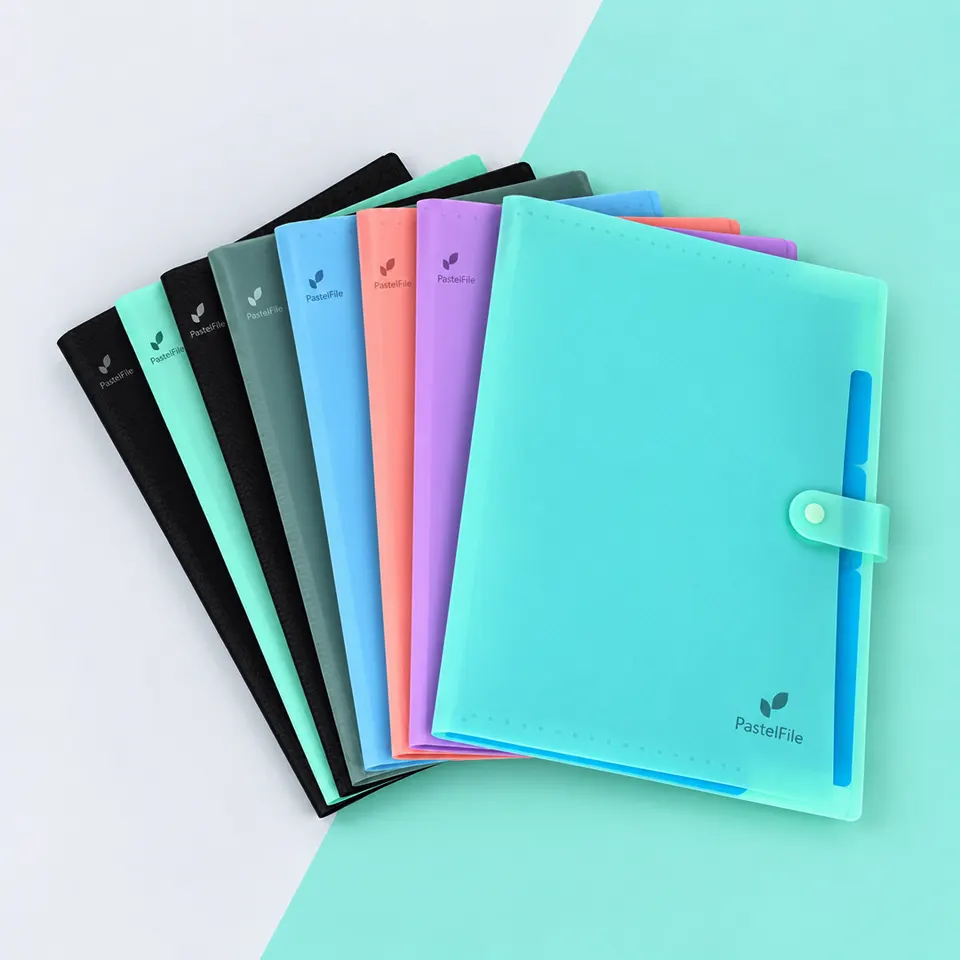
How the folder is handed over matters too. A folder passed across a desk can be light and simple. A folder that lives in a car, a classroom or a field kit needs a tougher stock, or a poly build from our plastic folder range.

Most styles share the same sizes and finishes, so you can pick the style first and settle the stock later.

Pick a Style in Four Questions

  1. Count the pieces that go inside, and note which ones must stay in order.
  2. Decide whether pages are loose, hole-punched or bound.
  3. Think about wear: one meeting, a full school year, or daily field use.
  4. Choose the opening you want clients to see first: a simple fold, three panels or a center reveal.

Before You Choose

  • Pocket height of 4 inches suits most letter-size inserts.
  • Card slits can sit on either pocket, or both.
  • Brads and prongs need hole-punched pages.
  • Capacity pockets add room for 50 or more sheets.
  • Every style can print inside as well as outside.
Ask for a quote

Sizes and Stocks That Suit Each Style

Nearly every style on this page comes in the standard 9 x 12 inch size for letter pages, and most also come in 6 x 9, legal and A4. The exceptions are tab and hanging file folders, which follow drawer widths, and ring binders, which are sized around the ring mechanism. Our page on folder sizes and the paper they hold lists the closed size for each paper format.

Stock should follow the load. 14 pt C2S is a sound default for pocket folders handed out once. 16 pt adds stiffness for heavier sets and for four pocket layouts. 18 pt board suits expandable and classification builds that carry real weight, and poly is the pick for anything carried daily in a bag or truck.

Three Mistakes We Often Catch at the Proof Stage

The first is ordering pockets for pages that need to stay in sequence. If the reader must work through the pages in order, a brad or prong fastener saves you from reshuffled packets after the first meeting.

The second is a pocket that is too short. A 3 inch pocket looks neat on a 6 x 9 folder, but on a 9 x 12 cover it lets a thick set flop forward. Keep 4 inch pockets for letter inserts unless the folder is small.

The third is a hardcover style for a one-time handout. Rigid and magnetic folders are made to be kept, so they earn their place as gifts, awards and high-value proposals. For a trade show or a single meeting, a well-printed paper folder on 16 pt stock does the job, and our guide to paper stocks, coatings and finishes helps you pick the surface.

Using the Inside Panels

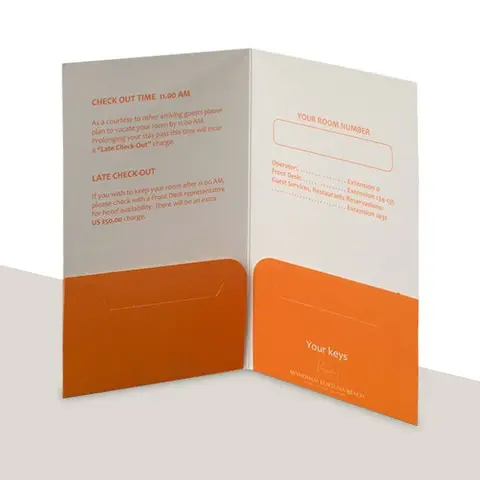
Every style here can print on the inside as well as the cover, and the inside is where a folder starts working for you. A short contents list on the left panel tells the reader what is in each pocket. Printed labels above the pockets of a four pocket folder keep a new hire or a patient from mixing up forms.

Fastener folders benefit from a printed guide on the panel opposite the pages, such as a contact list or a page index. Gatefold and tri-fold layouts give you more inside area than a two-panel folder, so plan that space as carefully as the cover.

Folder Styles Compared

FolderBest forKey featureSizes
Custom Presentation FoldersProposals and sales meetingsTwo 4 in pockets, card slit9 x 12, 6 x 9, legal, A4
Custom Pocket FoldersChoosing a pocket shapeStraight, curved or die-cut pockets9 x 12 and other sizes
Custom File FoldersCabinet and desk filingStraight, 1/3 or 1/5 tabLetter or legal
Custom Ring BindersLarge sets that changeRound, D or arch leverLetter, A4 on request
Custom Tri-Fold FoldersPrograms in three partsThree panels, three pockets9 x 12 closed
Custom 3 Prong FoldersManuals with page updates3 prong strip, 4.25 in spacing9 x 12
Custom Expandable FoldersFiles that keep growingGusseted, accordion sectionsLetter, legal, 9 x 12
Custom Die Cut FoldersBrand-shaped pocketsCustom die and windows9 x 12, 6 x 9, custom
Custom Clipboard FoldersForms filled on siteMetal clip on rigid boardAbout 9.5 x 12.5
Custom Classification FoldersCase and personnel files1 or 2 divider partitionsLetter or legal
Custom Hanging File FoldersDrawer and cart filingHooks ride drawer railsLetter or legal width
Custom Gatefold FoldersReveal-style presentationsTwo flaps meet at center9 x 12 or custom
Custom Magnetic Closure FoldersWelcome kits and giftsHidden magnets in the flap9.5 x 12.5 and card sizes
Custom Rigid Board FoldersKeepsakes and awardsHardcover board wrap9.5 x 12.5, 9 x 11.5
Custom PadfoliosMeetings and conferencesWriting pad and pen loop9.75 x 12.5, junior 6.5 x 9.5
Custom Envelope FoldersPapers carried closedString-tie, button or magnet flap9 x 12, legal, A4
Custom 2 Pocket FoldersEveryday business handoutsLeft and right pockets9 x 12, 6 x 9, legal, A4
Custom Brad FoldersReports kept in orderThree metal brads in the fold9 x 12
Custom Single Pocket FoldersLight packets and mailersOne full-width pocket9 x 12 or 6 x 9
Custom 4 Pocket FoldersSorting heavy document setsTwo stacked pockets per panel9 x 12, legal on request

Folder Styles: Common Questions

Still deciding? Call (503) 461-4788 and we will talk it through.

What is the difference between a pocket folder and a presentation folder?

A presentation folder is a pocket folder planned for meetings and proposals, usually 9 x 12 with two pockets and a card slit. Pocket folder is the wider name for any folder with glued or locking pockets.

Should I choose brads or prongs?

Brads are metal fasteners pushed through the center fold, and their legs fold flat behind the pages. Prongs sit on a metal strip and let pages slide on and off more easily. Both need three-hole punched pages.

Can one folder have pockets and fasteners?

Yes. Many brad and prong folders keep a pocket on the left panel for loose sheets and use the right panel for bound pages.

Which style holds the most paper?

Expandable and box pocket folders hold the most. A ring binder also holds a large set and lets you add pages later.

Which folder style is easiest to mail?

A single pocket or 2 pocket folder at 9 x 12 closes flat and fits a 10 x 13 inch envelope. Hardcover, magnetic and expandable styles are thicker and usually ship in boxes.

Do gatefold and die-cut folders need a special die?

A die-cut folder needs a die built from your die-line, and a gatefold may too if the flaps are shaped. The die is made once and reused if you reorder the same design.

Which folder style works best for a sales proposal?

A two pocket presentation folder with a card slit is the usual pick. It keeps the proposal, price sheet and your card together in one clean set.

Is a one pocket folder enough for most uses?

It works well when you hand over a few sheets or a single brochure. If you sort papers into two groups, a two pocket folder is easier to use.

What is a reinforced edge folder?

It has extra board or a glued strip along the spine or pocket edge. The folder holds its shape longer when people open and close it every day.

Can a folder close with a magnet or elastic band?

Yes. Magnets and elastic bands keep the folder shut so loose pages stay inside. They suit rigid folders and portfolios that travel often.

What is a tri-panel folder?

It has three panels that fold in, often with a pocket on each side panel. It gives you more room for inserts without a thicker spine.

Are hanging file folders printed the same way as pocket folders?

They use a similar heavy stock and full color printing. The difference is the hooks or rails along the top so they hang in a file drawer.

Build your order

Design Your Custom Folders

Choose the folder, size, stock and finish, then add your logo. We reply by email with prices and a free digital proof. Asking costs nothing, and you only pay once you approve the proof.

Loading folder options...