Custom folders printed and shipped to the US, UK, Canada and Australia. Free digital proof on every order.info@thecustomfolders.com (503) 461-4788

Folder Materials, Finishes and Media Holders

Material is what clients feel first. These pages cover premium stocks, special finishes, and folders built to hold discs and drives.

Leather, Linen and Kraft Covers

3 folders

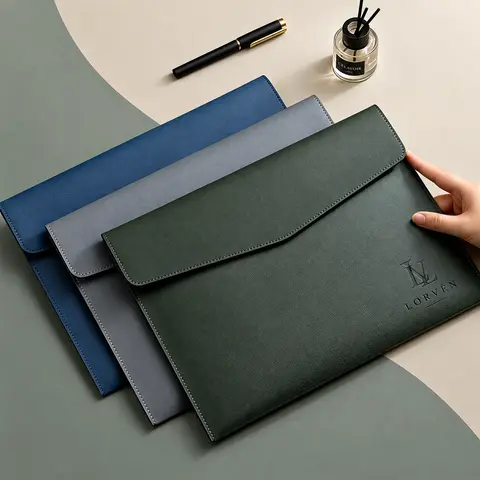
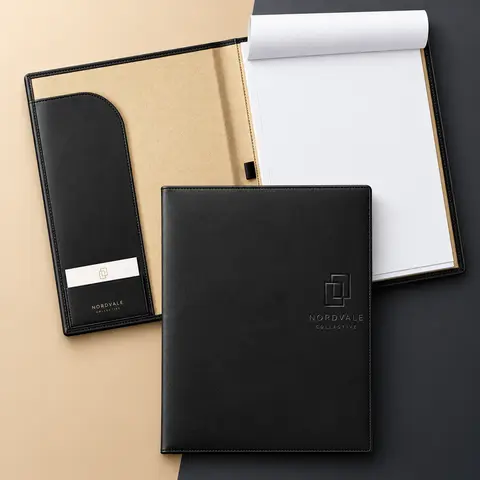
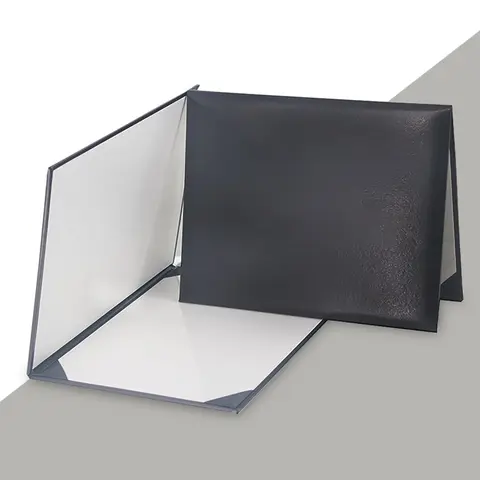
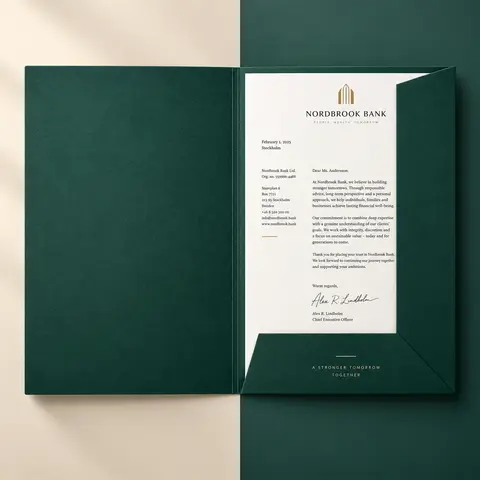
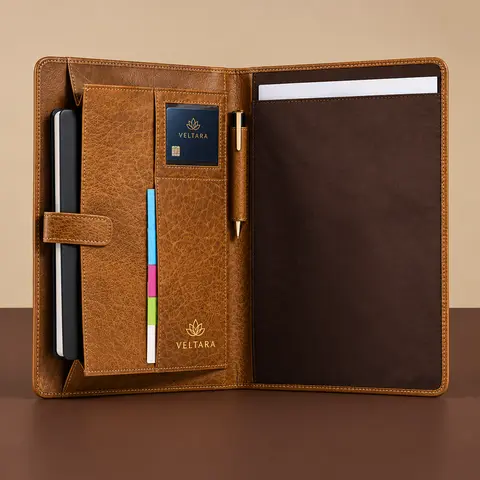
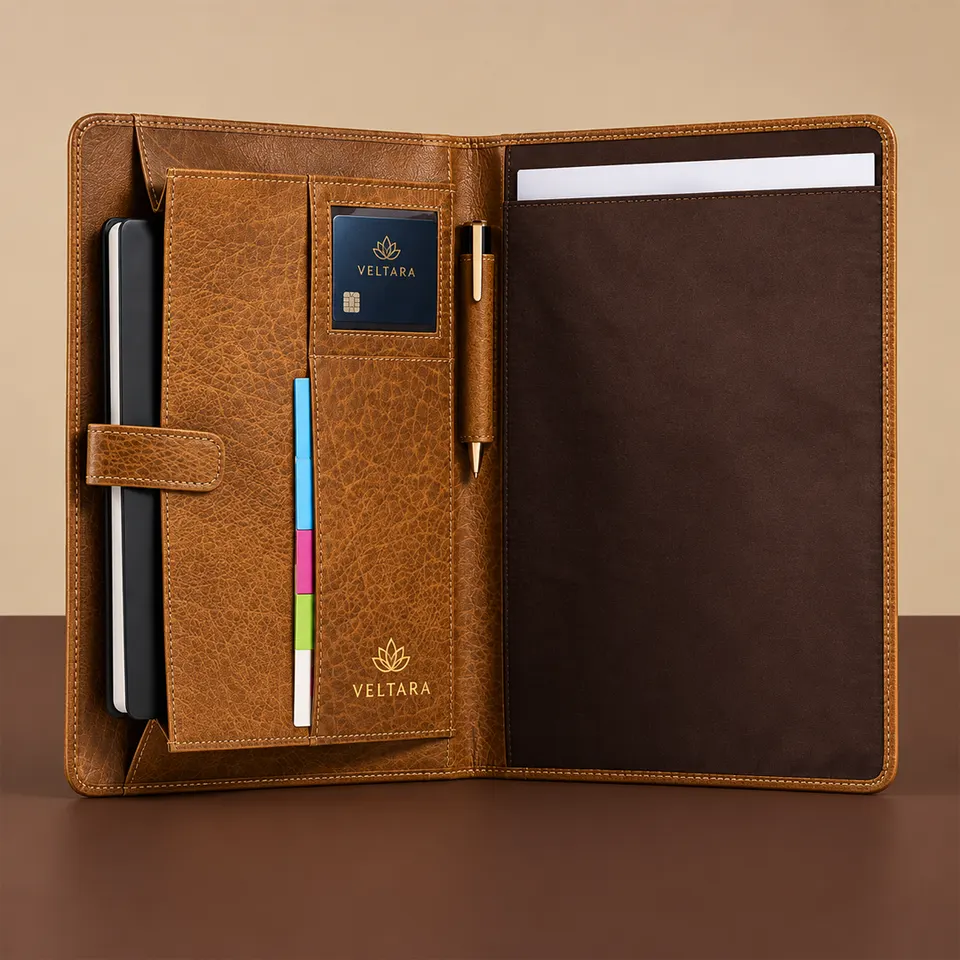
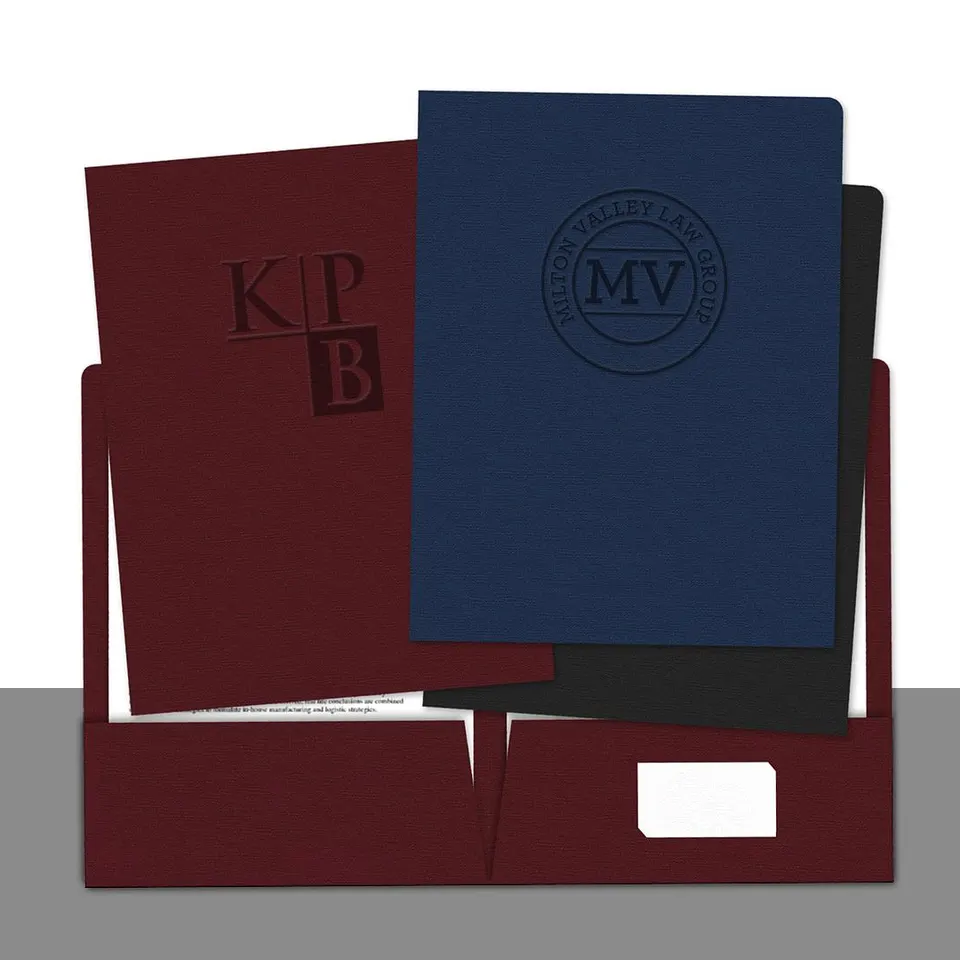
These three covers change the folder before any ink goes on. Leather and leatherette portfolios are wrapped document holders with the logo pressed into the cover by blind deboss or foil deboss, in black, brown, tan or navy. Inside you can choose pockets, a writing pad or rings. They are the folders people keep on a desk for years, which is why companies give them to executives and top clients.

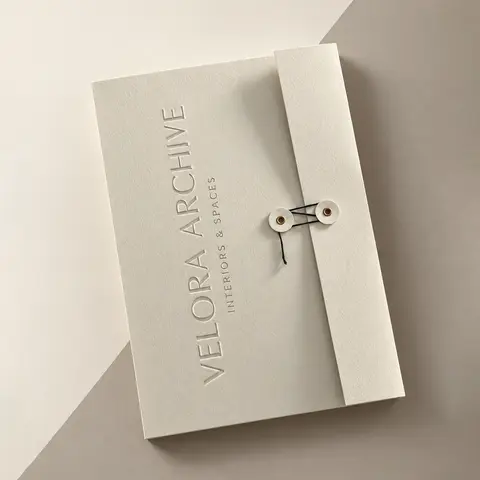
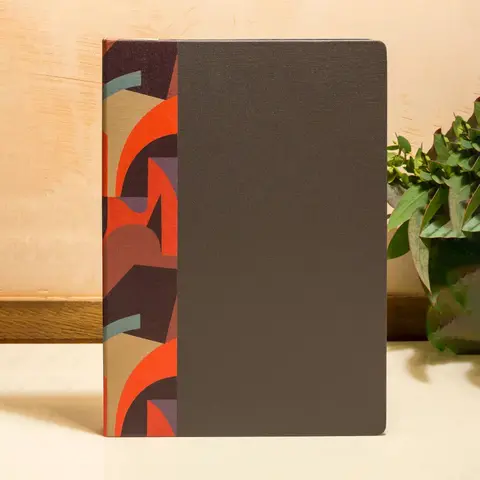
Linen stock has a fine crosshatch pressed into the surface, like woven cloth, in bright white, natural white or ivory. It is left uncoated to keep that texture, so it looks best with one or two Pantone colors and a foil or blind embossed logo. Full color is possible, but the weave shows through the image.

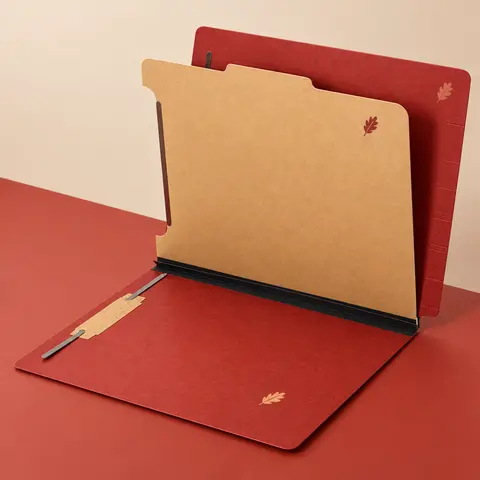
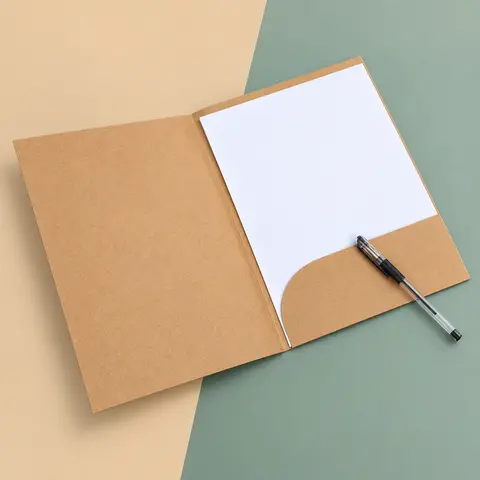
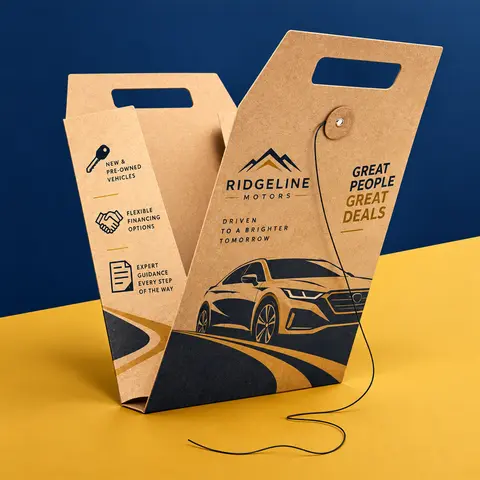
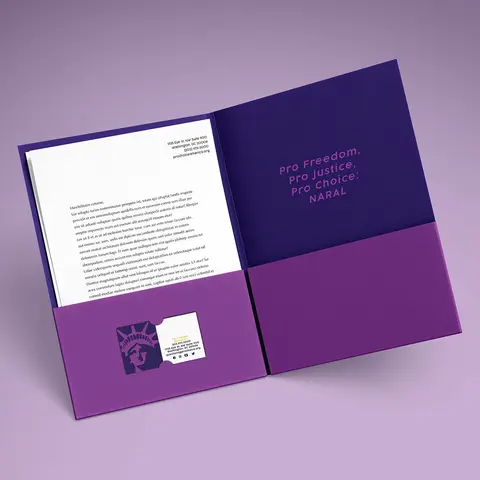
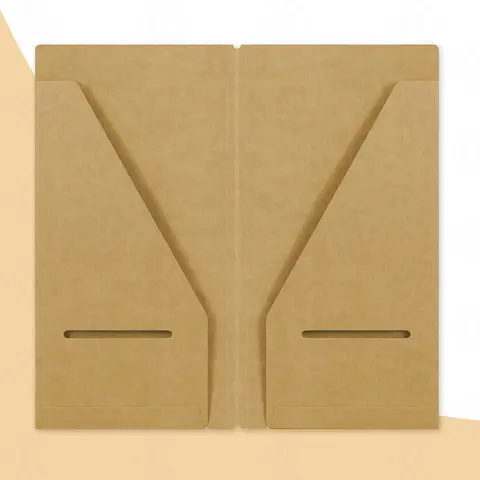
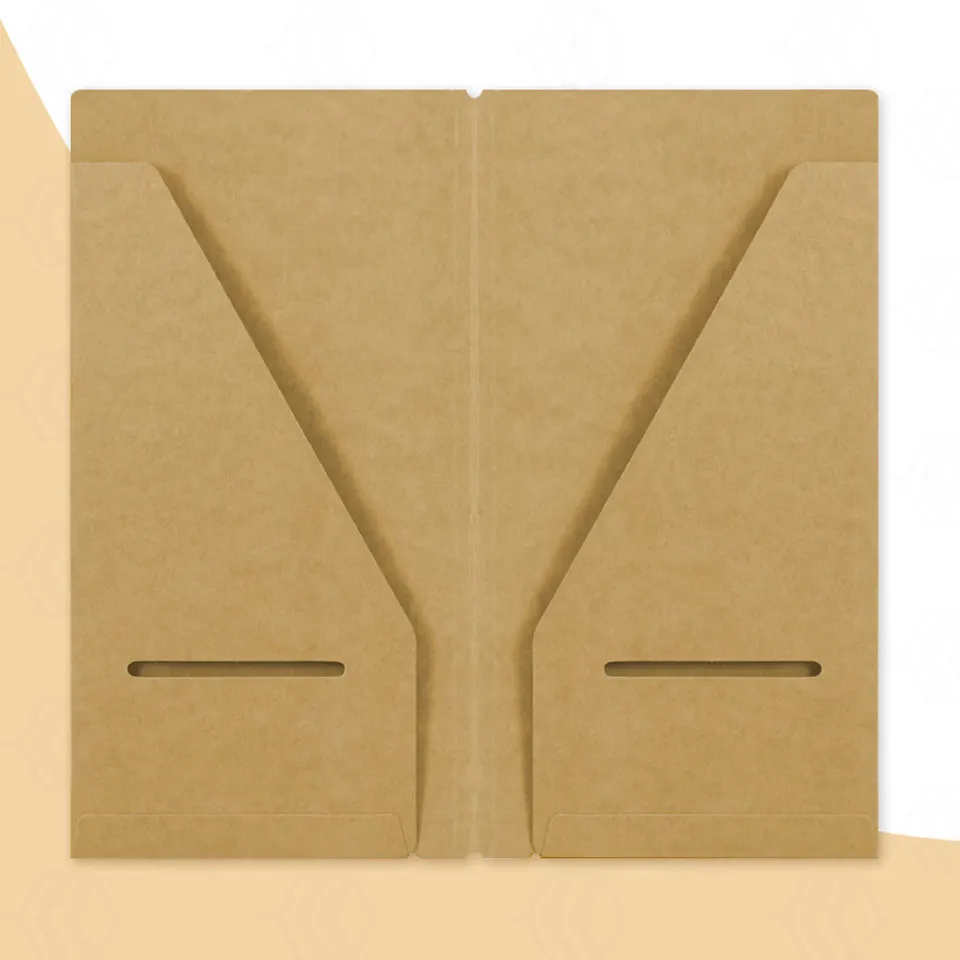
Kraft board is unbleached and brown, with the fibers in plain view. It prints in white ink, black or one to two Pantone colors, and full color needs a white ink base first. Kraft suits brands with a natural, handmade look, and a recycled-content version is available. Our custom nonprofit folders show how kraft and white ink work for donor packets.

Soft-Touch Coating and Raised Logos

2 folders

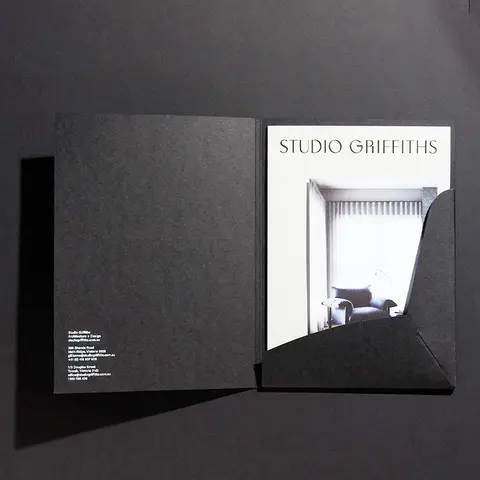
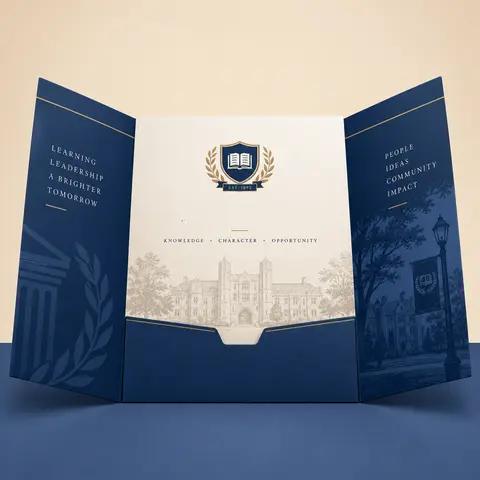
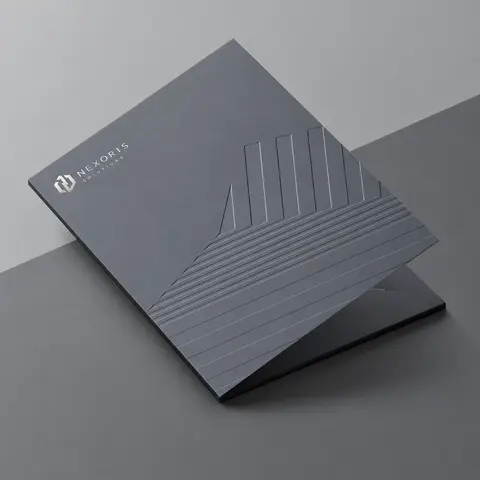
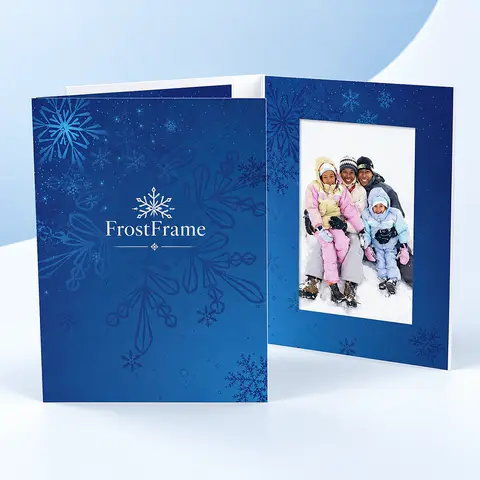
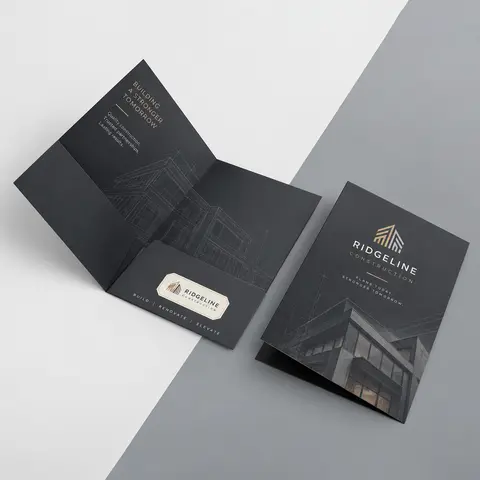
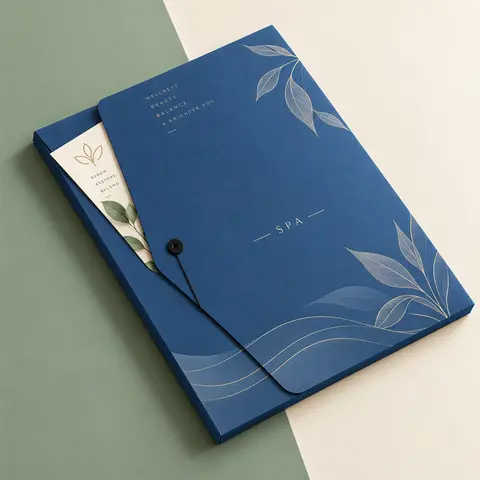
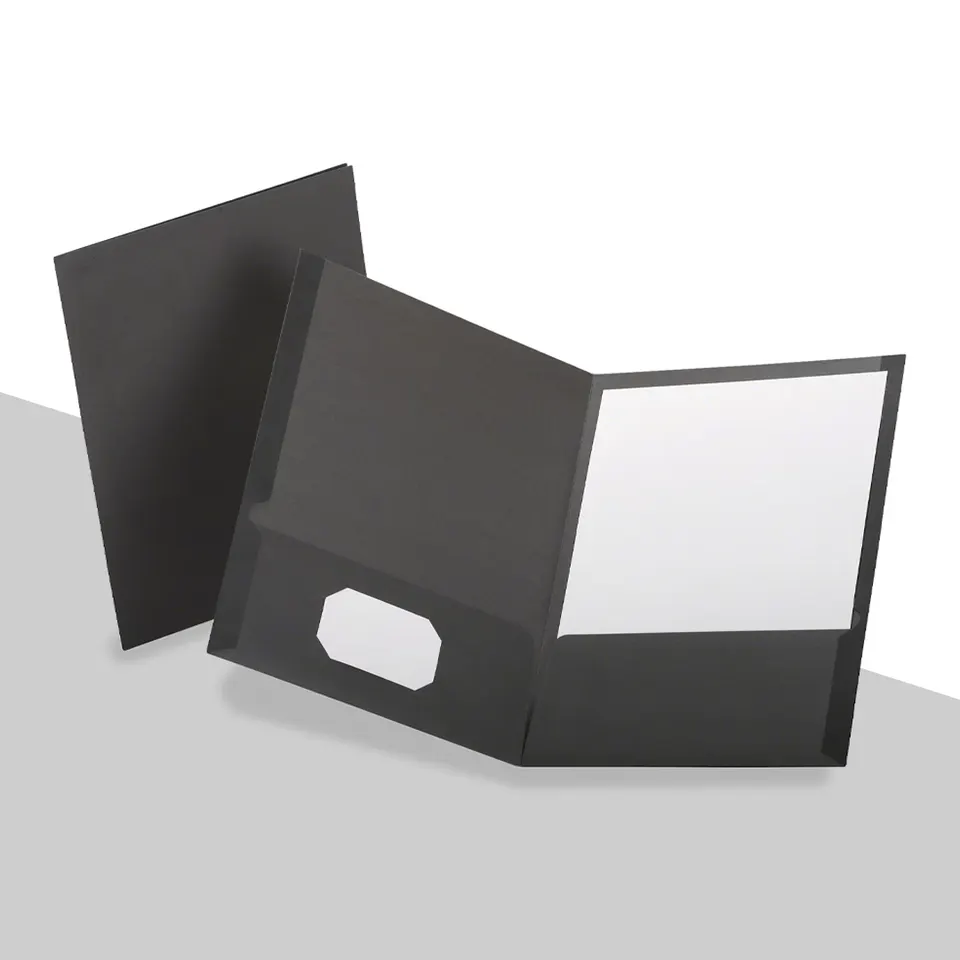
Finishes change how a printed paper folder looks and feels. Soft-touch is a matte laminate with a velvet or suede feel in the hand. It mutes color slightly and resists scuffs, and it makes a strong contrast with a glossy spot UV logo laid on top. It can go on the outside only or on both sides.

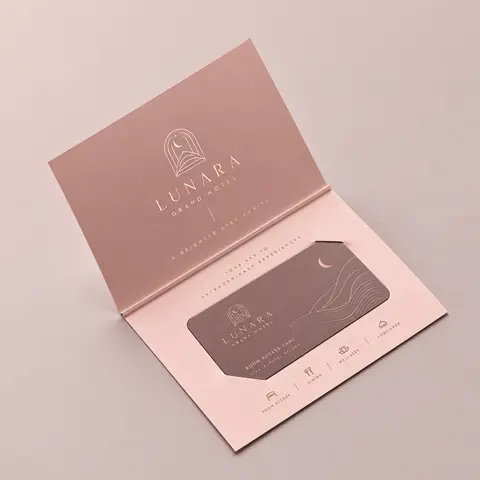
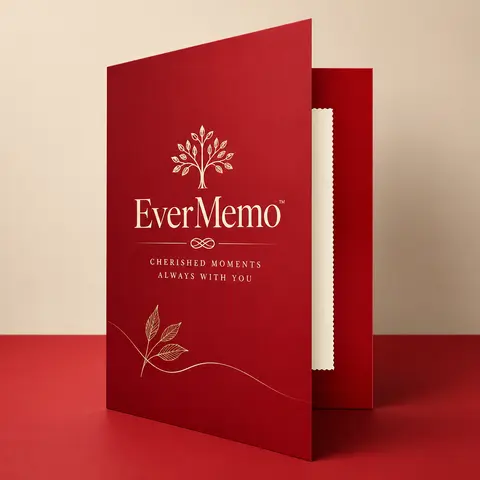
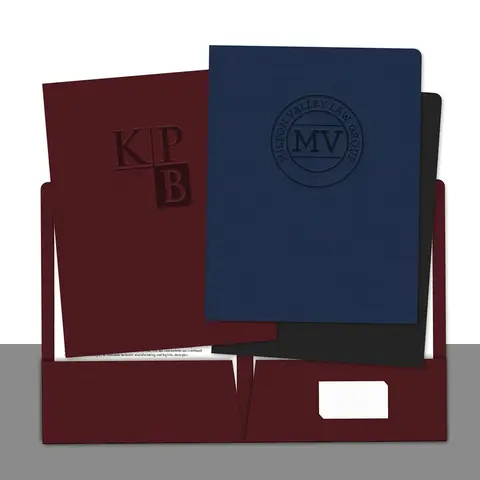
Embossing raises a logo above the cover, debossing presses it in, and registered embossing lines the raised area up exactly with printed ink. Foil stamping adds metal: gold, silver, rose gold, colors or holographic. Foil and embossing can be combined on the same mark for a logo that shines and stands up from the page.

Both effects work best on simple, bold artwork. Thin lines and very small text can fill in under foil or flatten in an emboss. Our artwork guidelines for foil and spot UV explain how to set those layers up as separate spot files.

Poly Folders for Hard Daily Use

1 folder

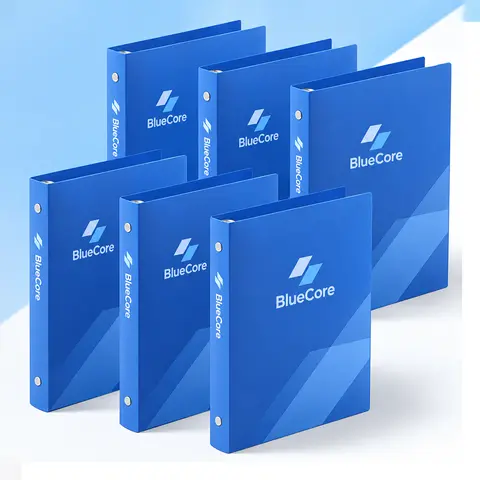
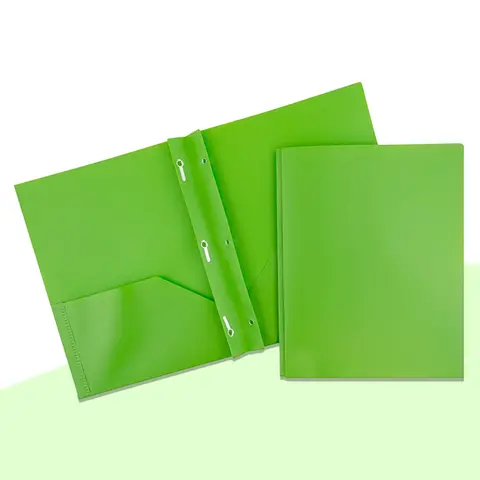
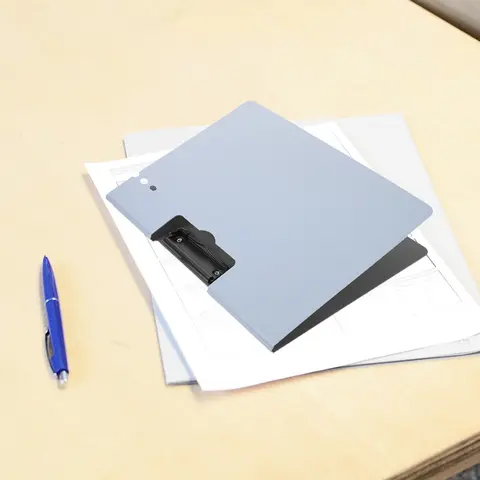
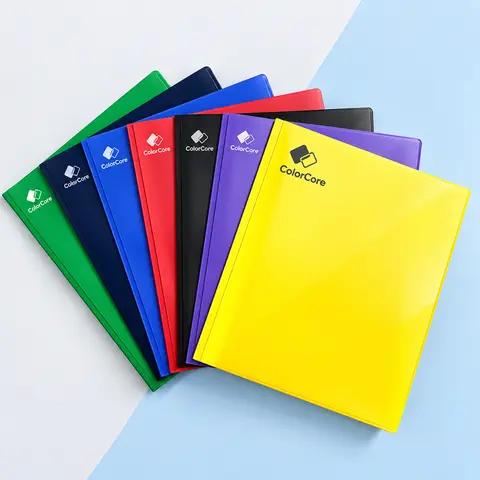
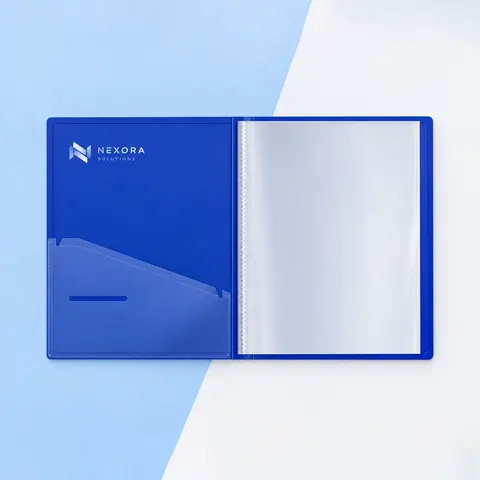
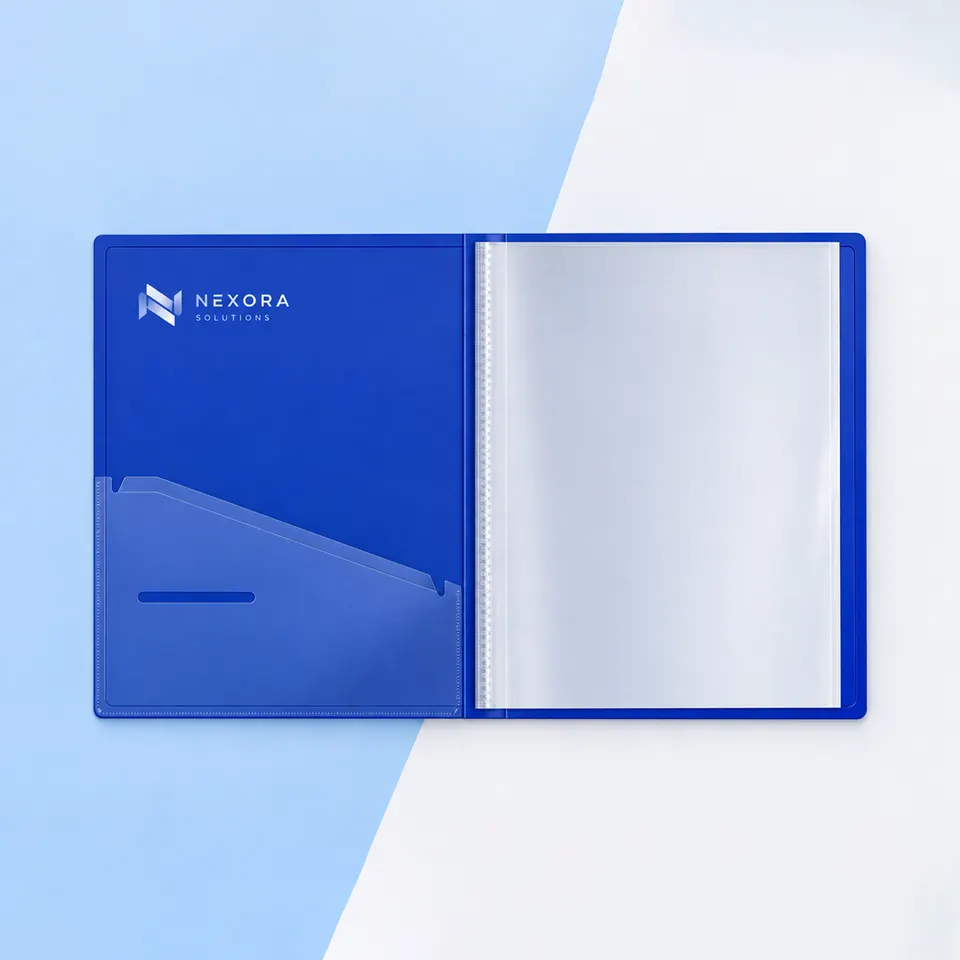
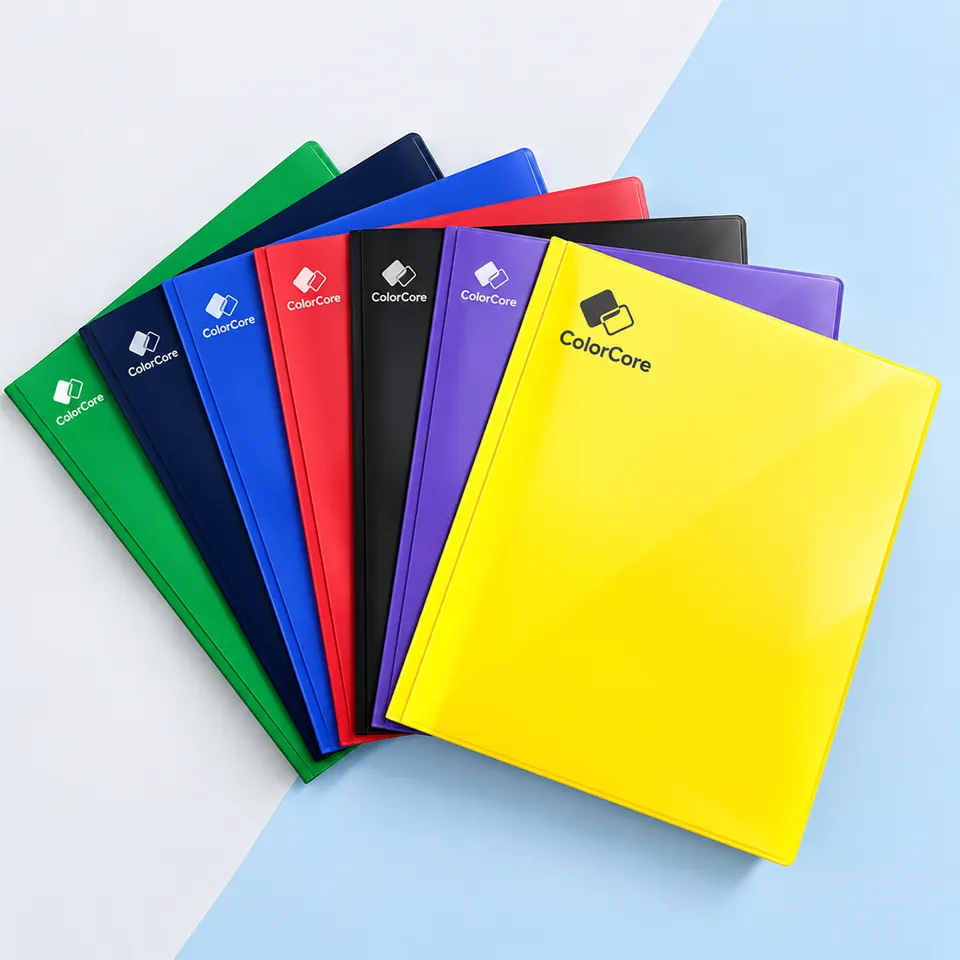
Paper board creases, tears and soaks up spills. Polypropylene does none of that. Poly folders bend without cracking, wipe clean, and survive months in a backpack, a truck cab or a clinic hallway. They come clear, frosted or solid colored, in standard or heavy-duty gauges.

Printing on poly uses full color, Pantone spot colors and a white ink base so color stays bright on clear or frosted material. Two heavy-duty pockets are standard, and business card slits, a 3 prong fastener or an elastic band can be added. Field crews, classrooms and clinics are the usual buyers.

The decoration list for poly is shorter than for board: printing, white ink and Pantone colors rather than the raised and stamped effects on our paper folders. A clear or frosted body also shows whatever sits inside it, so plan the inserts as part of the design.

If you like the poly body but need pages kept in order, our custom 3 prong folders are offered in poly as well as paper.

Folders That Hold Discs and Drives

3 folders

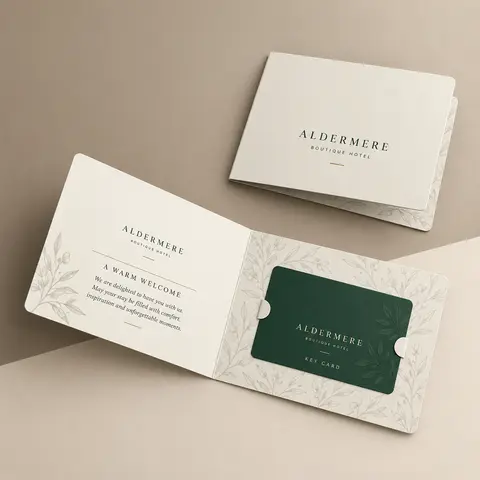
Some handovers include digital files. A USB folder is a printed 9 x 12 pocket folder with a slot die-cut to the exact size and shape of your drive, on the right pocket, the left pocket or the inside cover. The drive stays visible, and the printed pages sit in the pockets beside it.

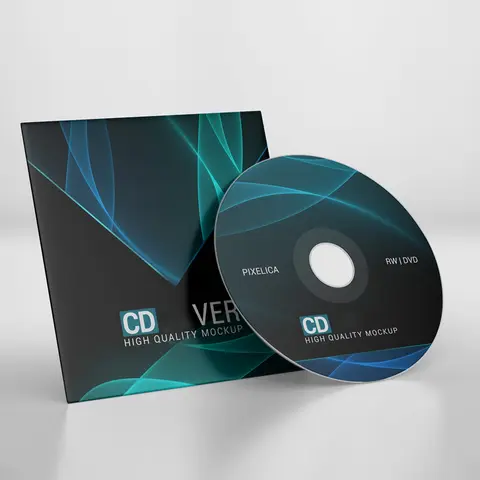
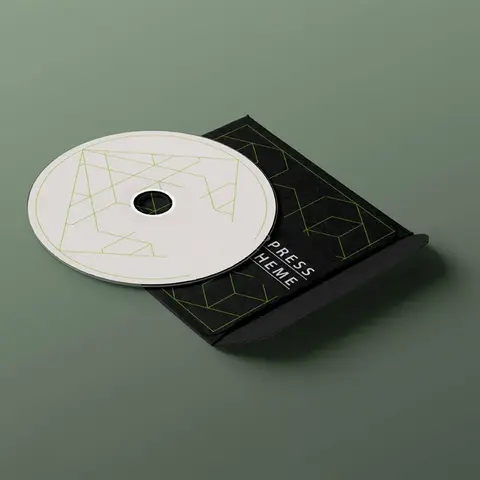
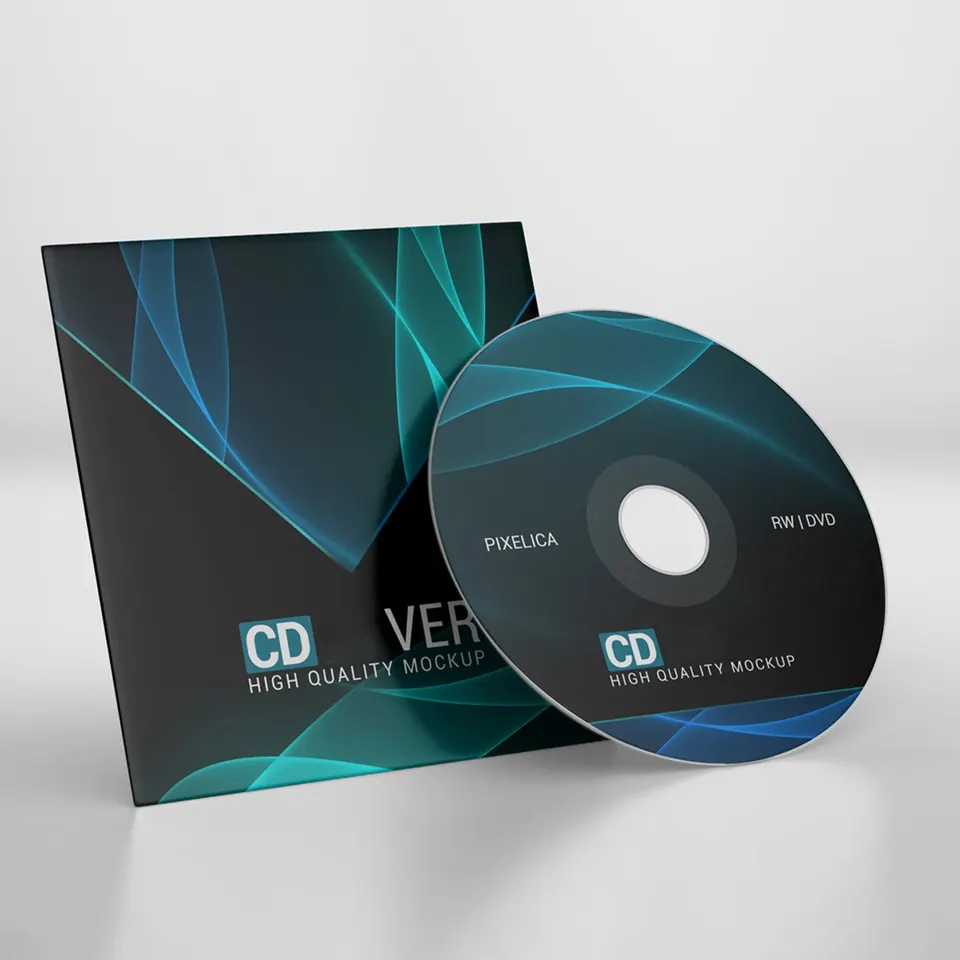
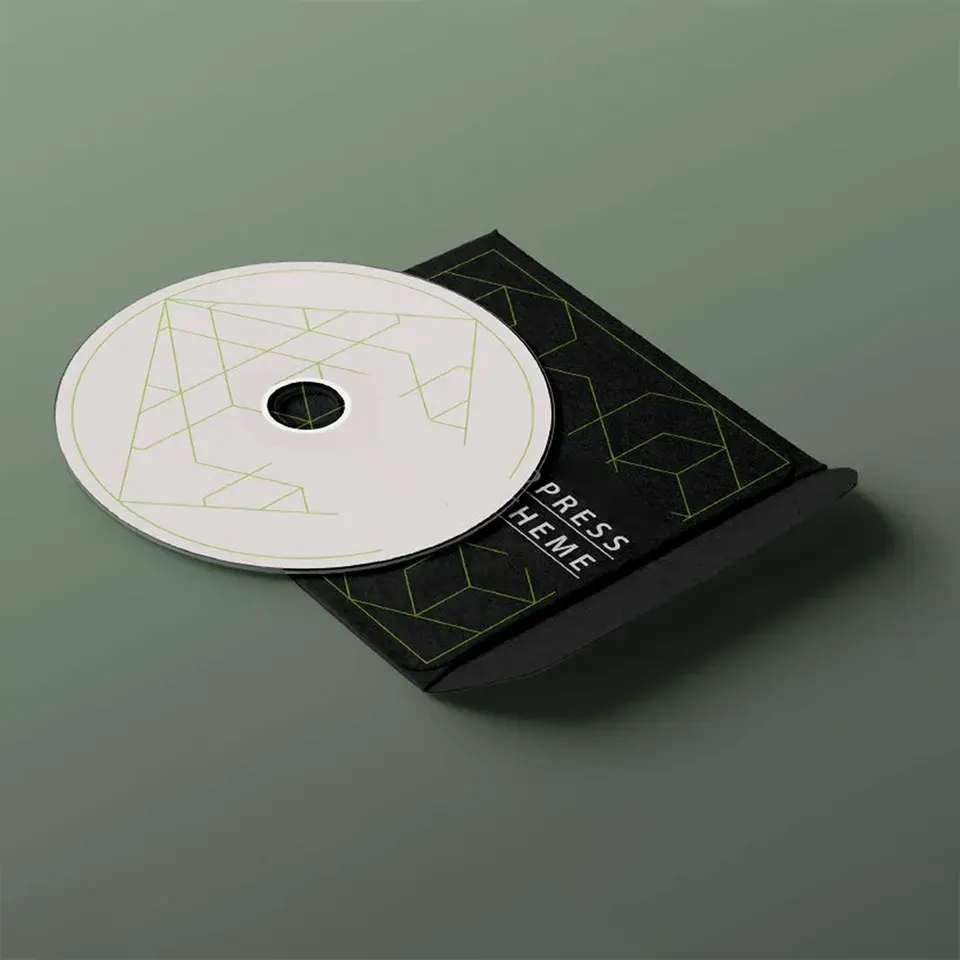
DVD folders are full-size presentation folders with four CD or DVD slits or a glued disc pocket for a standard 4.7 inch disc. CD jackets are a different product: square sleeves at 4.875 x 4.875 inches that hold one or two discs, printed edge to edge, in single pocket, gatefold, four-panel or six-panel styles.

USB drives vary a lot in shape, so the slot is cut to the drive you will actually use. Send its exact measurements, or a sample drive, before the die is made. Discs are standard at 4.7 inches, which makes DVD slits and disc pockets simpler to plan.

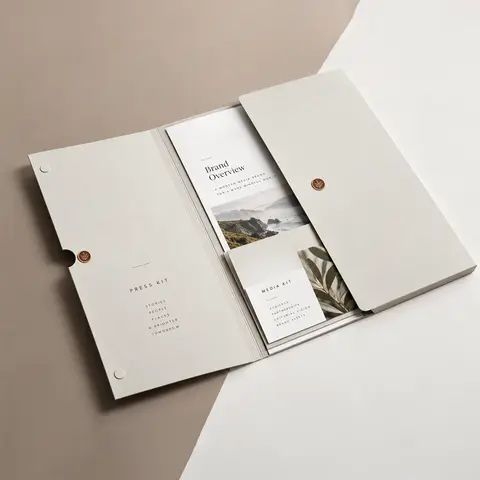
Press offices often combine both, with a USB slot for photos and a pocket for printed releases. Our custom press kit folders are planned around that mix.

How Material Changes the Folder

Paper board is light and prints sharp color. Poly bends without cracking and wipes clean. Leather and leatherette feel like a gift and last for years.

Finishes then change how the cover looks and feels. Embossing raises your logo, foil makes it shine, and soft-touch gives a velvet feel. For a full comparison of stocks and coatings, see our guide to paper stocks and finishes.

Media folders hold a CD, DVD or USB drive next to your printed pages, which suits press kits, training and portfolios.

Choose a Material in Four Steps

  1. Decide how long the folder must last: one event or several years.
  2. Pick the feel you want in hand: smooth, textured, natural or soft.
  3. Choose a finish to bring out your logo.
  4. Add a media slot if you hand over files on a disc or drive.

Material Notes

  • Foil and embossing need a separate die, quoted once.
  • Kraft and dark stocks print best with white ink.
  • Soft-touch pairs well with spot UV on the logo.
  • Poly folders suit wet or high-wear use.
Ask for a quote

How Stock, Coating and Decoration Combine

Think of a folder in three layers. The stock is the body: 14 pt or 16 pt C2S board, 18 pt board, linen, kraft, poly or leather. The coating protects the print: aqueous, gloss, matte or soft-touch laminate, or none at all on textured stocks. The decoration sits on top: foil, spot UV, embossing or debossing.

Not every combination makes sense. Linen and kraft are usually left uncoated, because a laminate hides the texture you paid for. Spot UV needs a smooth, coated surface underneath, so it pairs with soft-touch or matte laminate on C2S board. Leather takes debossing and foil deboss rather than printed ink. If you are unsure, tell us the look you want and we will suggest the layers. Our article on choosing paper stock and finish works through the same choice by how the folder will be used.

What Lasts in Daily Handling

A folder handed over once and filed away can be almost anything. A folder opened every day needs a tougher build. Poly is the most durable for daily use because it bends and resists water. Laminated board comes next, and soft-touch laminate also resists scuffs and fingerprints. Uncoated linen and kraft look beautiful but mark more easily in heavy use.

Edges and pockets wear first. Reinforced pocket edges and 16 pt or 18 pt board help folders that are opened all day, such as menu covers or patient folders. Our custom menu folders for restaurants show how a spill-ready cover is usually built.

Choosing for the Impression You Want

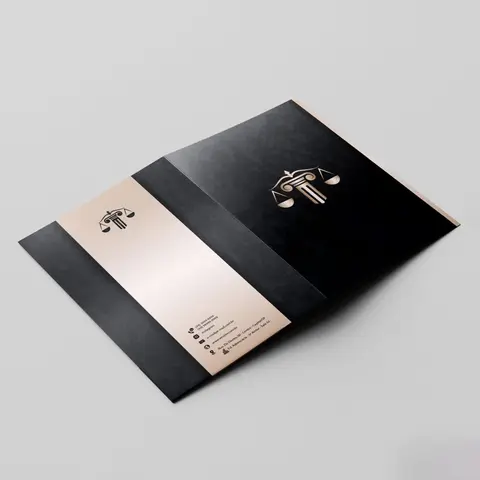
Each material says something before the folder is opened. Leather and rigid builds read as a gift. Linen with a blind emboss reads as traditional and careful, which is why law firms and memorial folders use it. Kraft with white ink reads as natural and handmade. Soft-touch with a gloss logo reads as modern and confident.

Match the material to the rest of your print. If your business cards are on uncoated stock with a letterpress feel, a glossy laminated folder will look out of place beside them. Send us a photo of your cards or letterhead with your quote request, and we will suggest a folder that sits well next to them.

Proofing Textured Stocks and Special Finishes

Texture, metal and coatings do not show fully on a screen. A digital proof confirms the layout, the logo size and where foil or spot UV sits, but it cannot show how gold foil catches light on linen or how deep a deboss presses into leather. Keep that in mind when you approve.

Send vector artwork for anything stamped or embossed, with each effect on its own named spot layer. Tell us the Pantone color you expect on kraft or poly, because both shift ink color compared with white coated board. On kraft, a white ink base under the color keeps it closer to your brand.

If the folder must match something you already use, such as a leather portfolio from an earlier order or a business card with a particular foil, say so on the quote form and describe the finish you are matching.

Materials and Media Compared

FolderWhat stands outBest decorationSizes
Custom Leather Portfolio FoldersGenuine leather or leatheretteBlind or foil deboss9.5 x 12.5 for letter
Custom Embossed FoldersRaised or sunken logoFoil plus emboss9 x 12; 6 x 9, legal on request
Custom Plastic FoldersWater-resistant polypropyleneFull color on white base9 x 12; letter, legal quoted
Custom Linen FoldersWoven crosshatch textureFoil, blind emboss9 x 12, 6 x 9, legal
Custom Kraft FoldersNatural brown kraft boardWhite ink, gold or copper foil9 x 12, 6 x 9, legal
Custom Soft Touch FoldersVelvet-feel laminateGlossy spot UV9 x 12, 6 x 9, legal
Custom USB FoldersSlot cut to your driveFoil or soft-touch9 x 12; 6 x 9 quoted
Custom DVD FoldersDisc slits or disc pocketSpot UV, foil logo9 x 12; legal quoted
Custom CD JacketsSquare sleeve for 1 or 2 discsFoil title, spot UV4.875 x 4.875 in

Materials, Finishes and Media: Common Questions

Still deciding? Call (503) 461-4788 and we will talk it through.

What is the most durable folder material?

Poly (polypropylene) is the most durable for daily use because it bends and resists water. Leather portfolios last longest as keepsakes.

Can I combine foil and embossing?

Yes. Foil stamping and embossing can be combined on the same logo for a raised, shiny mark.

Is kraft board recyclable?

Kraft board is paper-based, so it can go in paper recycling where local programs accept it. Laminated or foil-heavy covers are harder to recycle.

Can a folder hold a USB drive and papers together?

Yes. A die-cut slot holds the drive on one panel while a pocket on the other panel holds your printed pages.

Can linen folders be printed in full color?

Yes, but the woven texture shows through the image. Linen looks best with one or two Pantone colors and a foil or embossed logo.

What is the difference between leather and leatherette?

Genuine leather is real hide with natural grain and variation. Leatherette is a coated material made to look like leather, with an even surface. Both take a debossed or foil debossed logo.

What is the difference between gloss and matte lamination?

Gloss lamination makes colors look bright and adds shine. Matte lamination has a soft, low-glare look that suits text and photos with dark areas.

What does soft-touch lamination feel like?

It has a smooth, velvet-like feel when you run your hand over it. It also resists scuffs better than an uncoated cover.

Can I add spot UV to only part of my cover?

Yes. Spot UV is a clear gloss layer printed only where you want it, such as a logo or a pattern. It shows best on a matte or soft-touch base.

Which foil colors can I choose?

Gold, silver and rose gold are the most common. Colored and holographic foils are also available for a bolder mark.

What is the difference between embossing and debossing?

Embossing raises your logo above the cover surface. Debossing presses it into the cover so it sits below the surface.

Can I print white ink on kraft board?

Yes. White ink gives clean, readable text and logos on brown kraft and other dark stocks. It pairs well with a one or two color design.

Build your order

Design Your Custom Folders

Choose the folder, size, stock and finish, then add your logo. We reply by email with prices and a free digital proof. Asking costs nothing, and you only pay once you approve the proof.

Loading folder options...